The gowns in this list range from an elegant silk dress and an A-line to a puff sleeve style, an off-the-shoulder ballgown, a cowl back, a long sleeve dress, a long train and a lace bodice, and how much you plan to move on the day is the fact that sorts them.
Puff sleeves, a long train and an off-the-shoulder ballgown skirt each cost you some freedom on the dance floor, while the A-line skims the body and stays easy to move in.
1. Elegant Silk Wedding Dresses
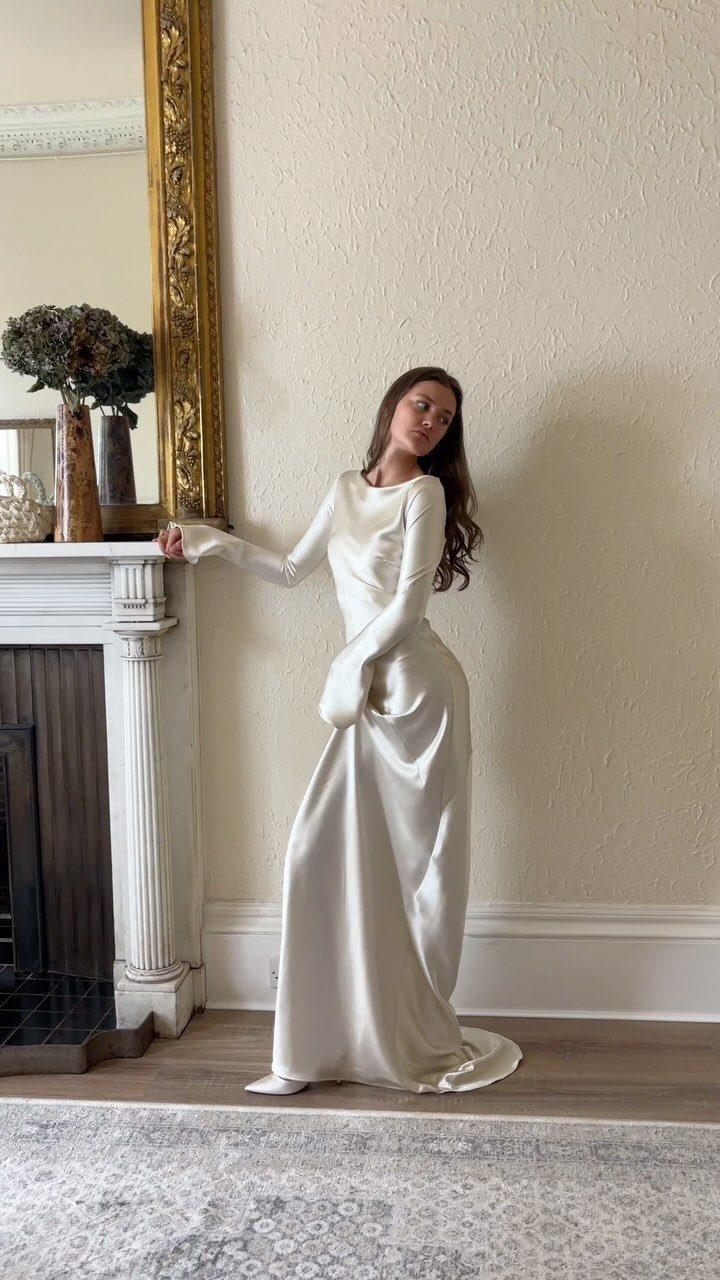
Silk earns the word "elegant" through how it hangs. A long-sleeved, floor-length column like this one needs no beading or appliqué, because the fabric’s drape and soft sheen do the work.
Plain silk shows everything, so ask to try the dress under the boutique’s brightest light. Check how the seams lie and how the fabric moves when you walk.
I would put the budget into fit rather than extras. A simple silk gown that is tailored well beats an elaborate one that is not.
Light up the venue in a silky satin wedding dress designed with classic white or ivory hues. The versatile fabric is perfect for both traditional and modern styles, with structure and drama that fits any dreamy bridal look.
2. A-line Silk Wedding Gown
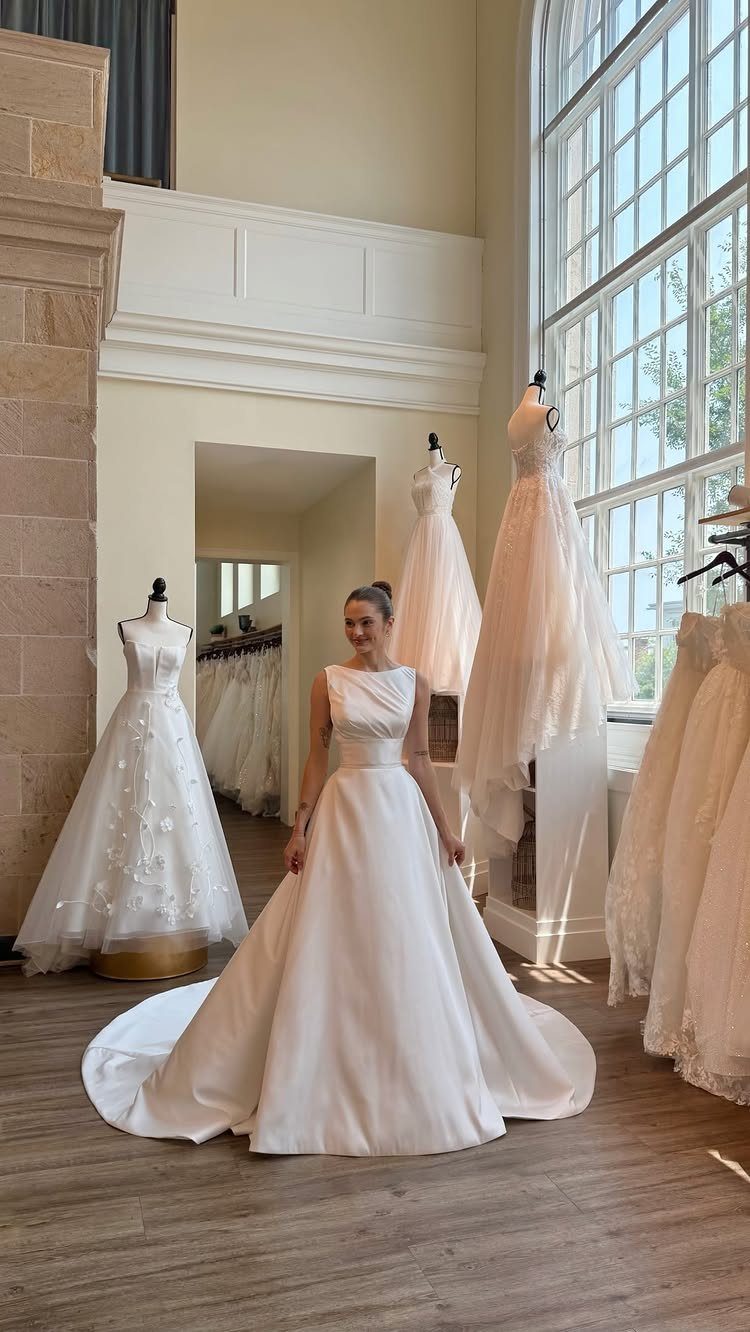
An A-line skirt skims the hips and widens gently to the floor, which makes it the easiest silhouette to wear in silk. The fabric falls in clean lines without clinging.
It also forgives. You can walk, sit and dance without managing volume, and a boutique with other gowns on mannequins gives you plenty to compare against.
Hang it next to a few other silhouettes in the fitting room and compare how each one moves and sits on you, then decide.
If the A-line flatters you, it is hard to beat for the price of fabric you will actually move in.
3. Puff Sleeve Silk Wedding Gown
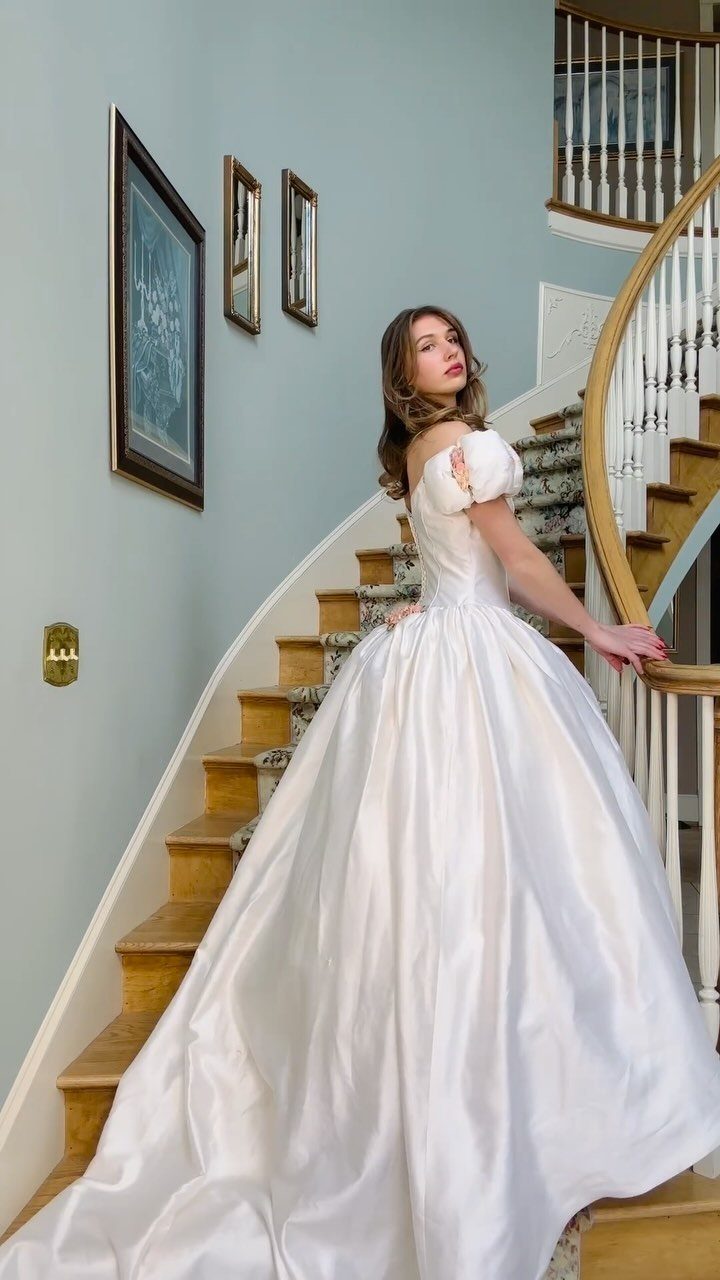
Puff sleeves are the loudest feature on a silk gown, so let them be the only loud thing. A voluminous skirt with dramatic sleeves works best with a quiet neckline and no extra embellishment.
Raise both arms during your fitting. Sleeve volume can restrict movement, and you will want to hug people for hours.
I would skip statement earrings and wear a simple hairstyle, such as a low bun, so the sleeves stay in view. Bring a photographer’s perspective to the fitting too, and check the sleeves from the side.
4. Off-the-shoulder Silk Ballgown
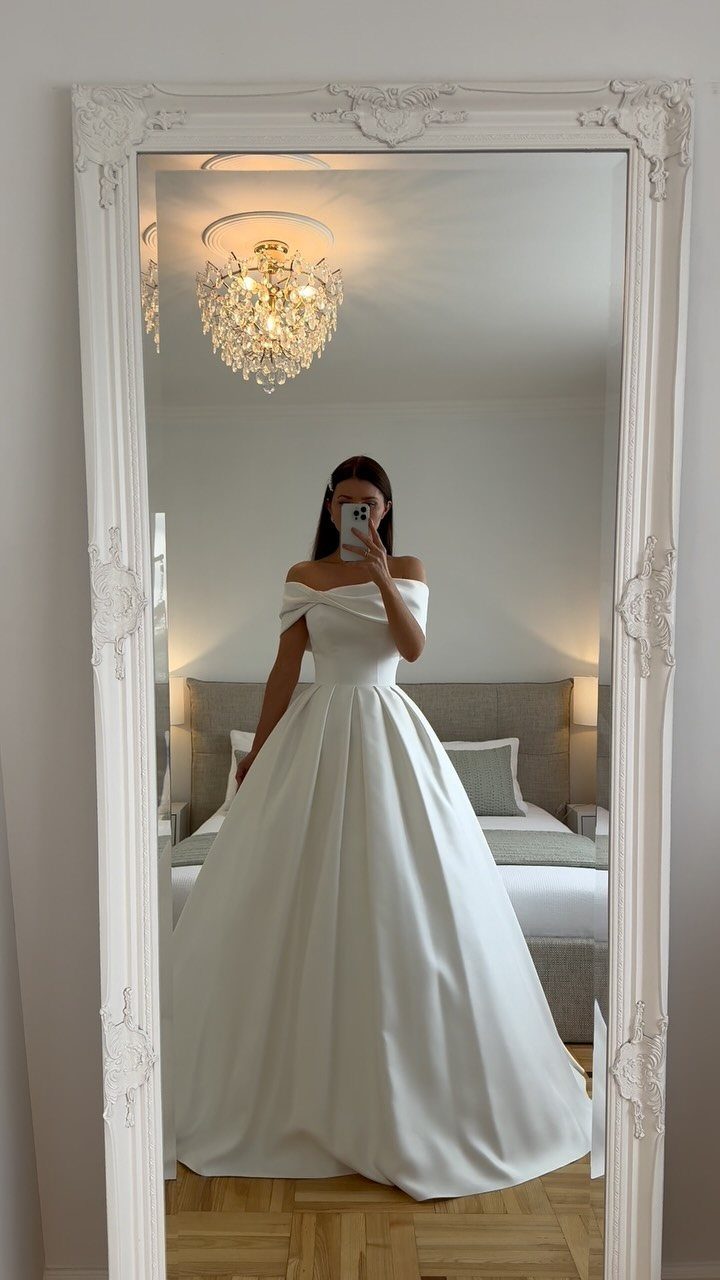
An off-the-shoulder neckline paired with a full ballgown skirt gives you a small, balanced top and a huge, dramatic bottom. In silk, the skirt holds its volume with a smooth, liquid shine rather than a stiff look.
Hug a few people and reach forward while you have it on, because an off-the-shoulder neckline should stay put through all of it. If it slips, ask your seamstress about adding discreet support.
Allow extra fitting appointments, since a ballgown skirt needs its hem checked with the shoes you will actually wear. My pick for anyone after a classic ballgown without the weight of heavy fabric.
5. Cowl Back Silk Bridal Gown
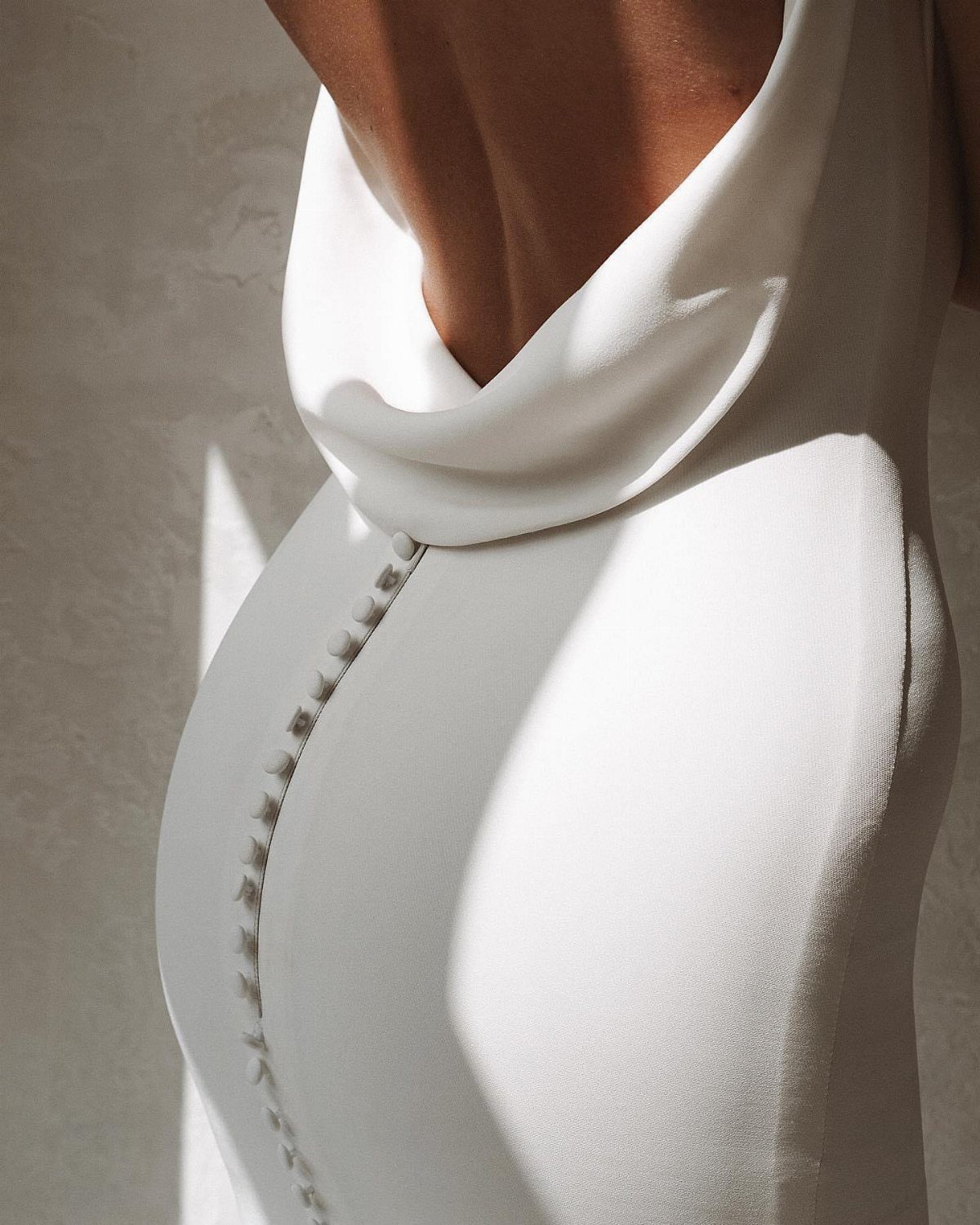
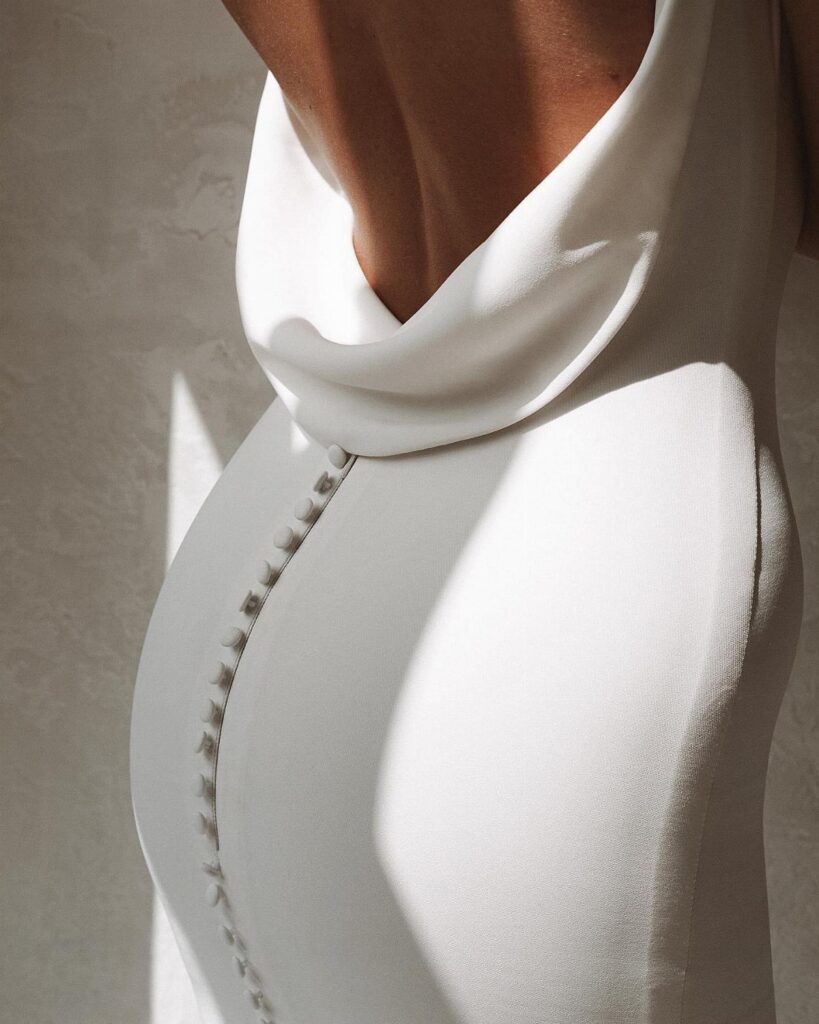
The back decides this dress. A draped cowl falls in soft folds between the shoulder blades, and a row of covered buttons finishes it with a tidy line.
Silk shows every ripple, so a fitted cut needs precise tailoring and close attention to the undergarments you choose. Ask about a low-back bra or built-in support before the first fitting.
Wear your hair up to show the drape. Covered buttons take time to fasten, so ask who will be helping you dress.
6. Long Sleeve Silk Wedding Dress
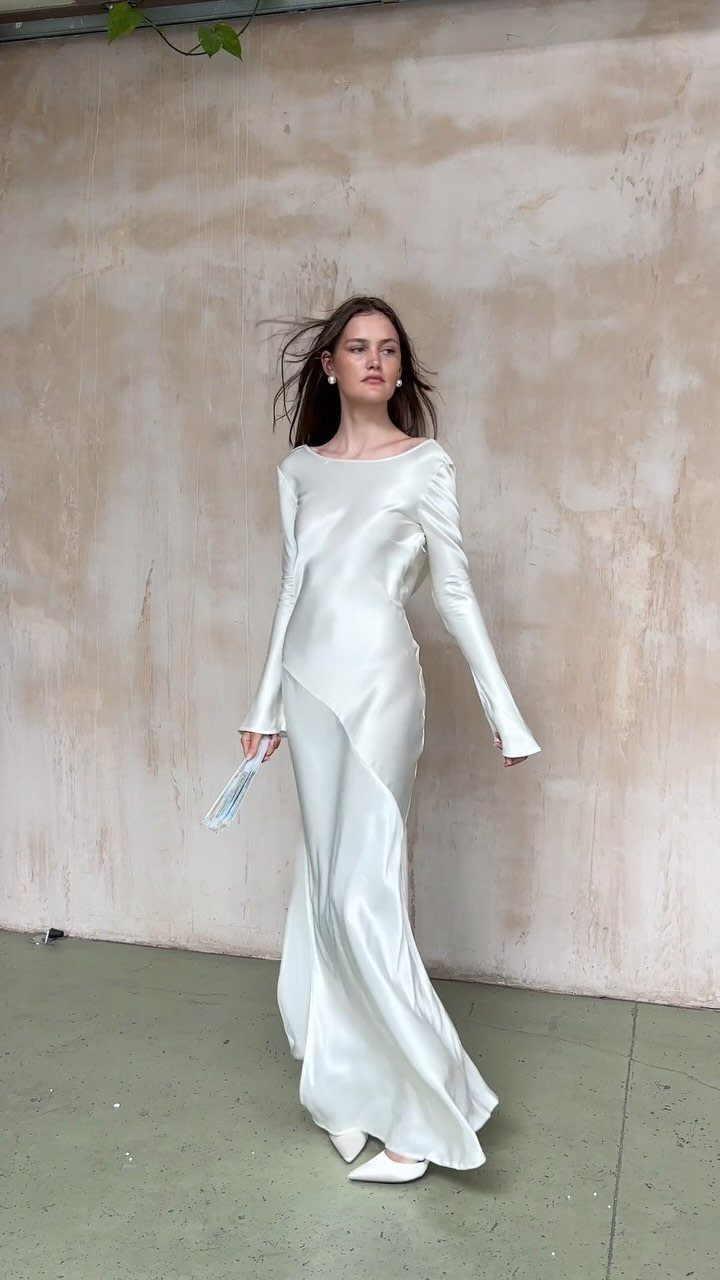
Minimalism asks a lot of the fabric, and silk delivers. A floor-length dress with long sleeves and no decoration relies on cut, drape and fit.
Sleeve length matters most here. Have the cuffs hemmed so they land at your wrist bone when your arms are relaxed, and test that you can reach forward comfortably.
White shoes keep the line unbroken from hem to floor. I would spend on the alterations, because plain silk makes any fit flaw easy to see.
7. Silk Gown with Long Train
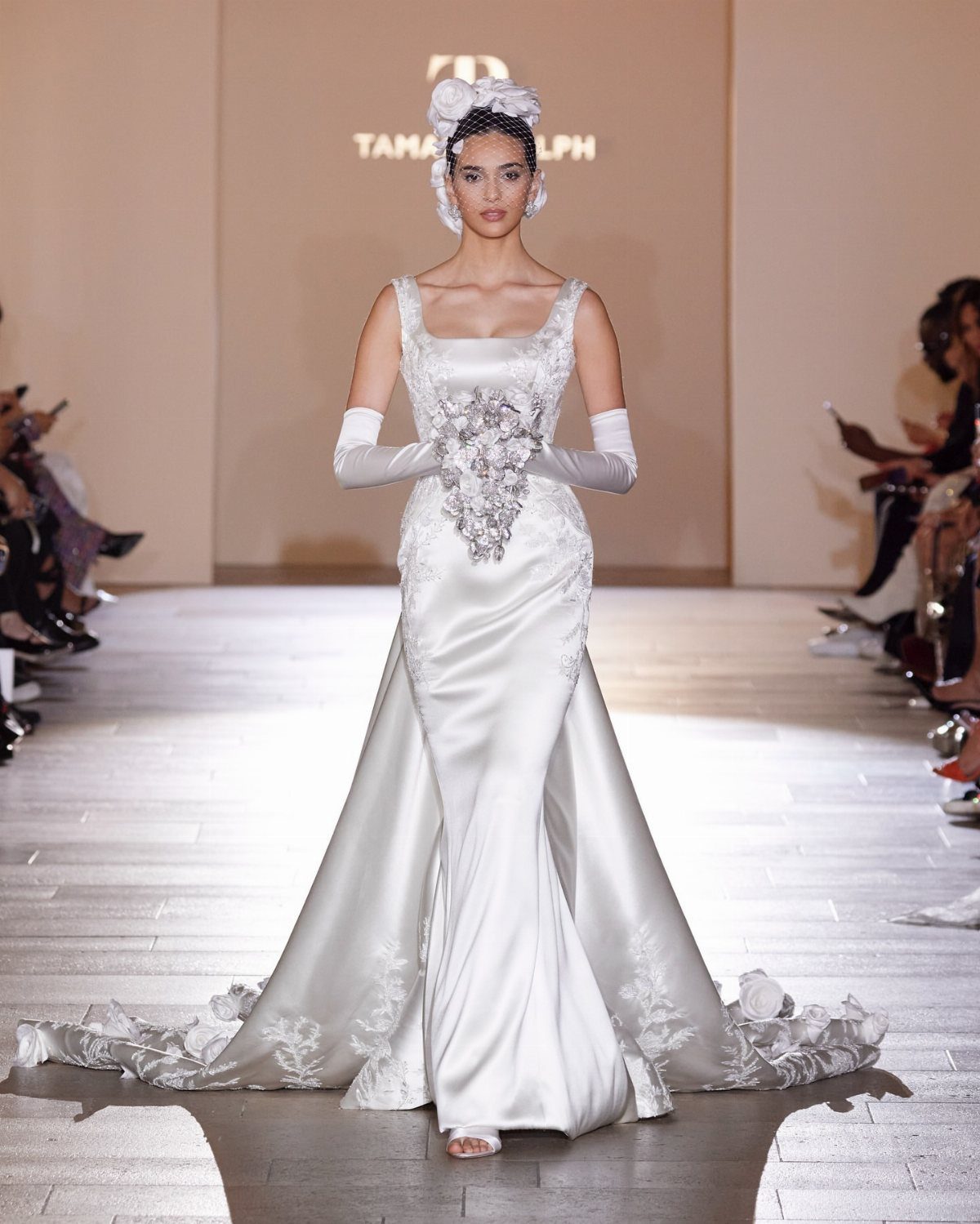
A long train turns a fitted silk gown into a gown you have to plan around. Silk slides over floors easily, so the train follows you cleanly, but it also picks up every bit of dust on the way.
Confirm with your seamstress that the train can be bustled for the reception, then practice walking backward and turning in it before the day.
Gloves and a headpiece each add their own fitting, so budget time for trying them on with the gown and bring them to the final appointment.
I would choose a train long enough to fill the aisle photos, then bustle it before the first dance.
8. Lace Bodice Silk Wedding Dress
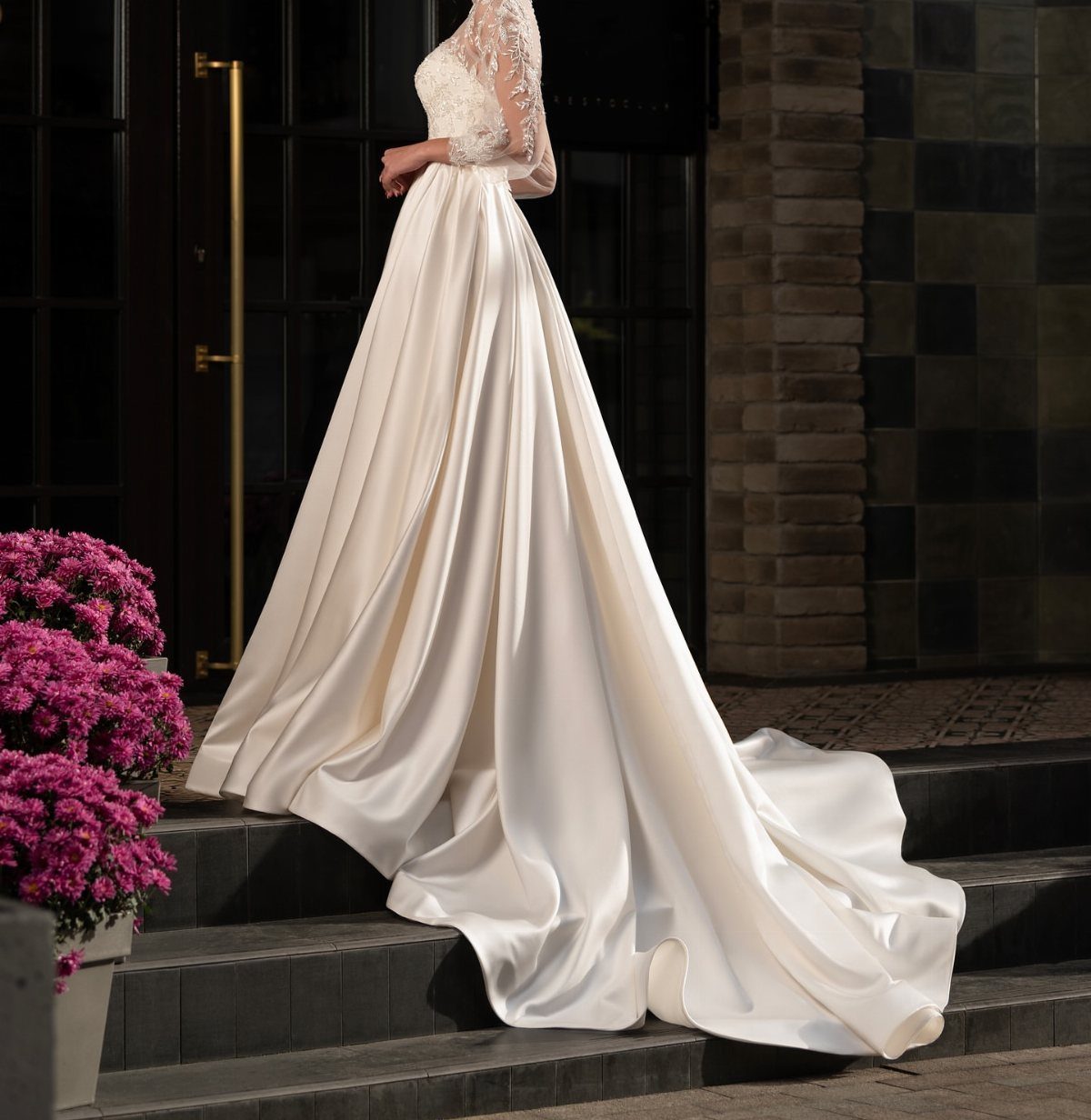
Silk under a lace bodice gives you two textures in one dress: matte, detailed lace on top, smooth ivory silk below. Long sleeves in lace keep the pattern continuous from wrist to waist.
Check where the lace meets the silk skirt, because that seam takes the strain when you sit. Ask the seamstress to secure it and to confirm the sleeve lace does not itch at the wrist or underarm.
Lace is more work to alter than plain silk, so budget extra time for fittings. Ivory flatters most skin tones better than stark white, so for me it wins.
Bridal Shopping Experience
Book a one-on-one appointment rather than browsing, so a stylist is working only with you.
Before you go, set a firm number and say it to the stylist right at the start. A good stylist pulls gowns inside your budget and does not push you above it.
Expect a silk gown from a made-to-order atelier to begin near $4,000; silhouette, fabric type and design details move the final price from there.
If that is above your budget, say so up front and ask what a stylist can show you instead.
Give yourself 9–12 months of lead time, since made-to-order gowns depend on how much the atelier can produce.
Showroom samples often only come in sizes 2 through 6, so plan on trying on a gown that isn’t your size. Ask the stylist how to judge the fit and what customization can change.
Keep your group small. Honest advice is easier to hear from a stylist and a small circle of trusted people than from a crowd.
Frequently Asked Questions
Why choose a silk wedding dress?
Silk drapes and moves in a way few fabrics match, so a simple cut can look finished without beading or appliqué.
Silk catches light with a soft glow, lets air move through the bodice, and drapes close to the body without clinging.
Plain silk hides nothing, since every seam and ripple shows, so a skilled tailor does more for the look than any extra beading.
When should I start shopping for my wedding dress?
Start 9–12 months before the wedding. Some boutiques suggest starting even earlier, so more lead time does not hurt.





