Region and family decide which of these outfits is yours, because the list runs from Hausa bridal attire to Igbo bridal attire with its beadwork, then on to a white lace gown with a train.
A traditional ceremony joins 2 families, so the elders on both sides should read the outfit as correct before you worry about how it photographs.
Cloth does most of the work in every look here, and the gele paired with the gown, as in the shimmering burgundy one, is the cheapest way to make it all read as one outfit.
1. Hausa Bridal Attire
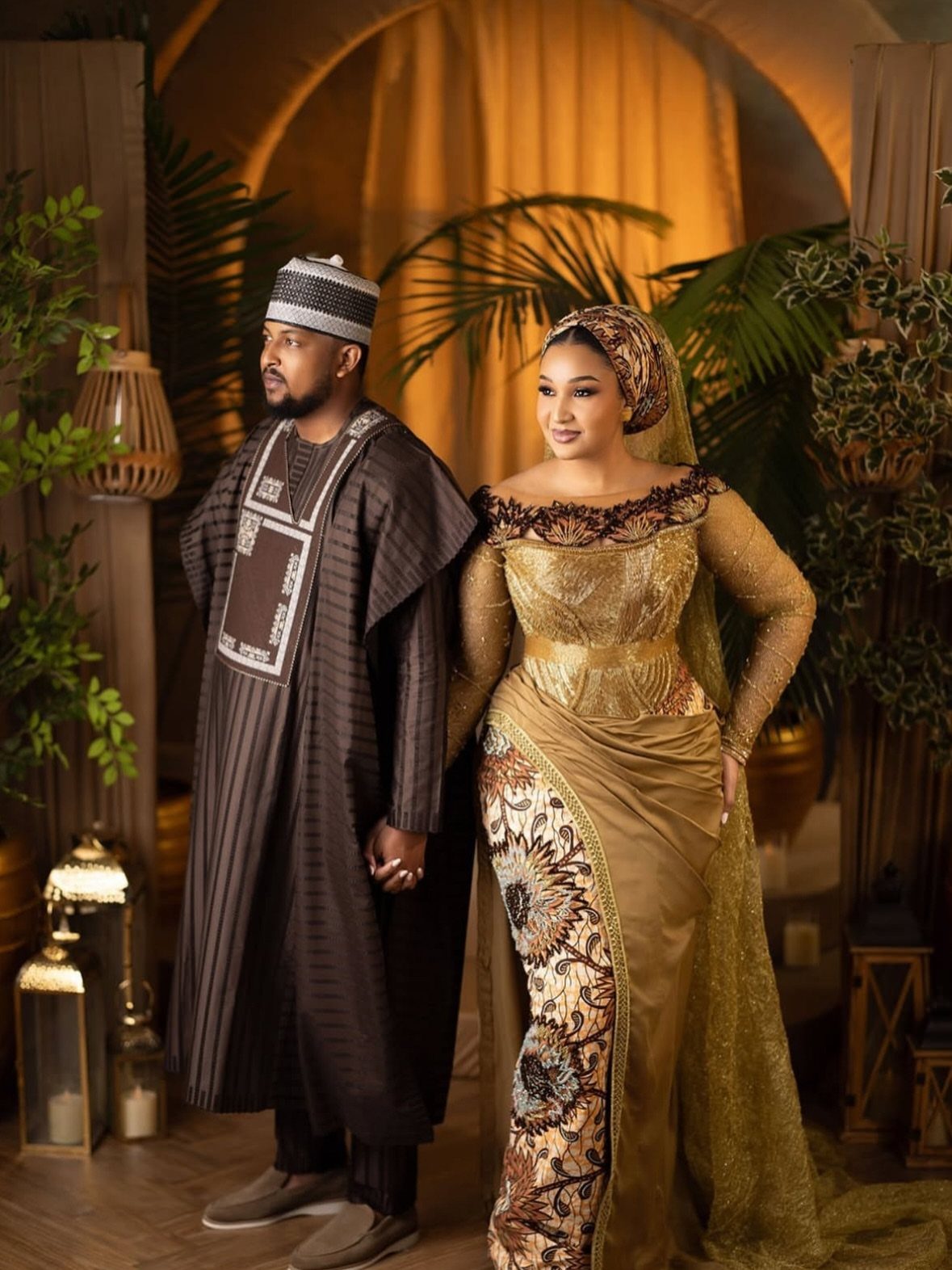
Gold carries this look. A gown in a rich, heavy-looking fabric does the work that a dozen accessories would do on a lighter dress, so I would spend the money on the cloth and keep the styling quiet.
A groom in a coordinated robe, in a matching color and embroidery, makes the pair read as one portrait.
If you are buying for two, pick the gold and the groom’s fabric together, in the same light, before you order either one.
A single standout outfit beats 2 mediocre ones, especially when the budget is tight.
2. Nigerian Traditional Wedding Dresses
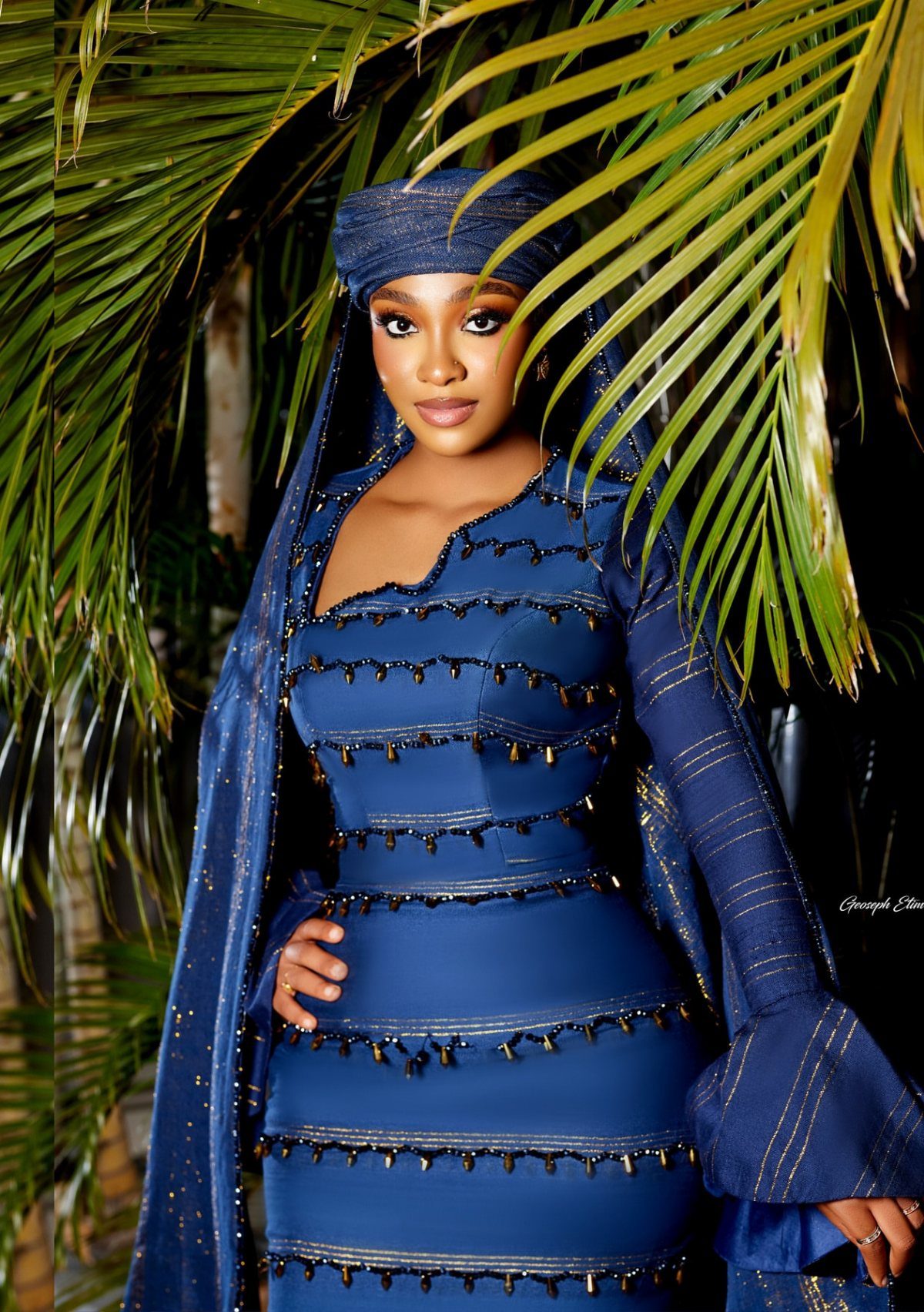
Navy blue is a bolder pick than most brides expect, and a matching headtie and veil make it read as formal instead of casual. I like that the color photographs richly against greenery, which suits an outdoor session.
Match the headtie fabric to the dress rather than contrasting it. That is the cheapest way to look pulled together, and a tailor can often cut it from the same cloth.
The outfit carries your heritage and identity, so choose the cut that feels like you.
3. Igbo Bridal Attire
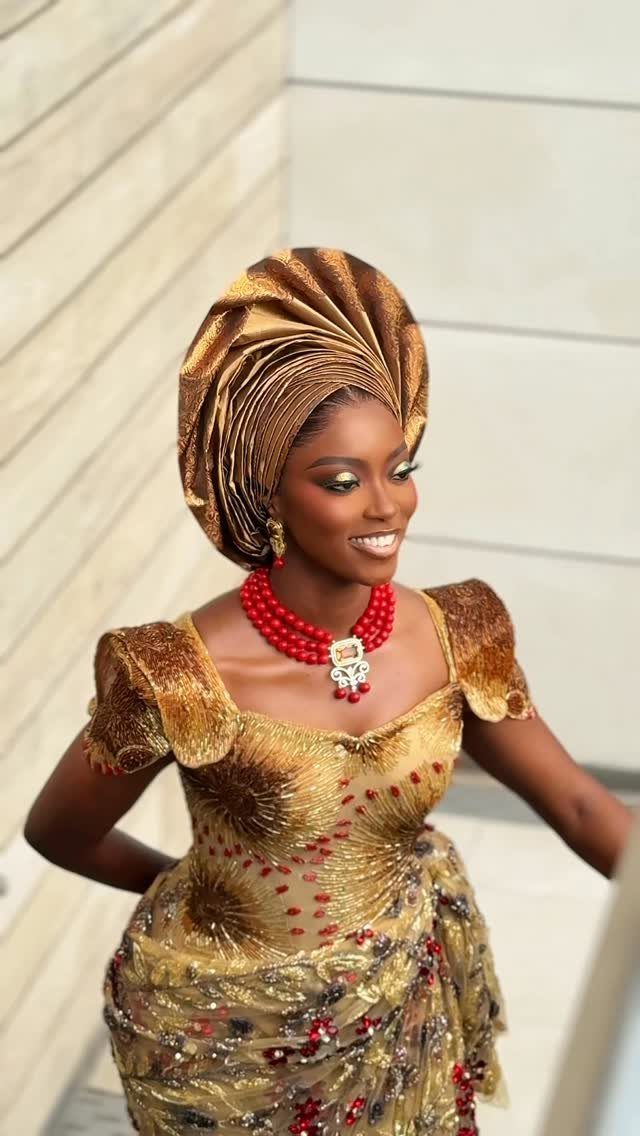
George fabric is the backbone of Igbo bridal style, and gold is a classic way to wear it.
Red coral beads give the outfit its signature contrast, so treat them as part of the dress, not an accessory you add late.
Pair the headtie with the same gold cloth for a clean line. Buy the beads first if you can, because their red should guide any other color decisions.
I would skip extra jewelry. The coral does the talking.
4. Dress with Beadwork and Embroidery
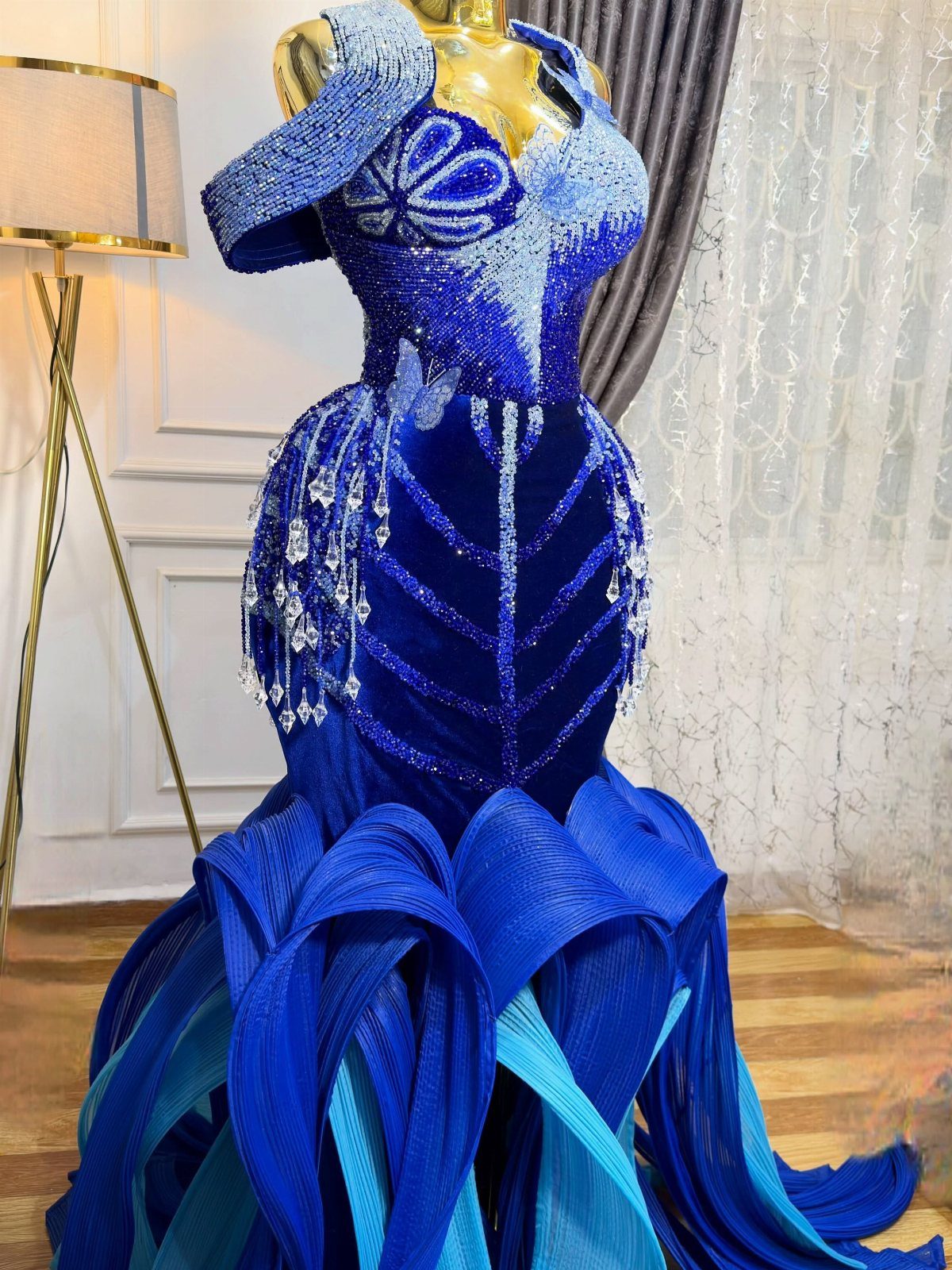
Beadwork is where a gown earns its price, so spend there before you spend on extra layers or a second outfit. The fitted line keeps the embroidery on display, while a pleated skirt adds movement without hiding the detail.
Ask the seamstress how the beads are attached and how heavy the finished gown will be, since dense beading can weigh on you for a long reception. Request a fitting where you sit, walk and dance in it.
If cost is tight, put the beadwork on the bodice only and keep the skirt plain.
5. Traditional Wedding Attire for Grooms
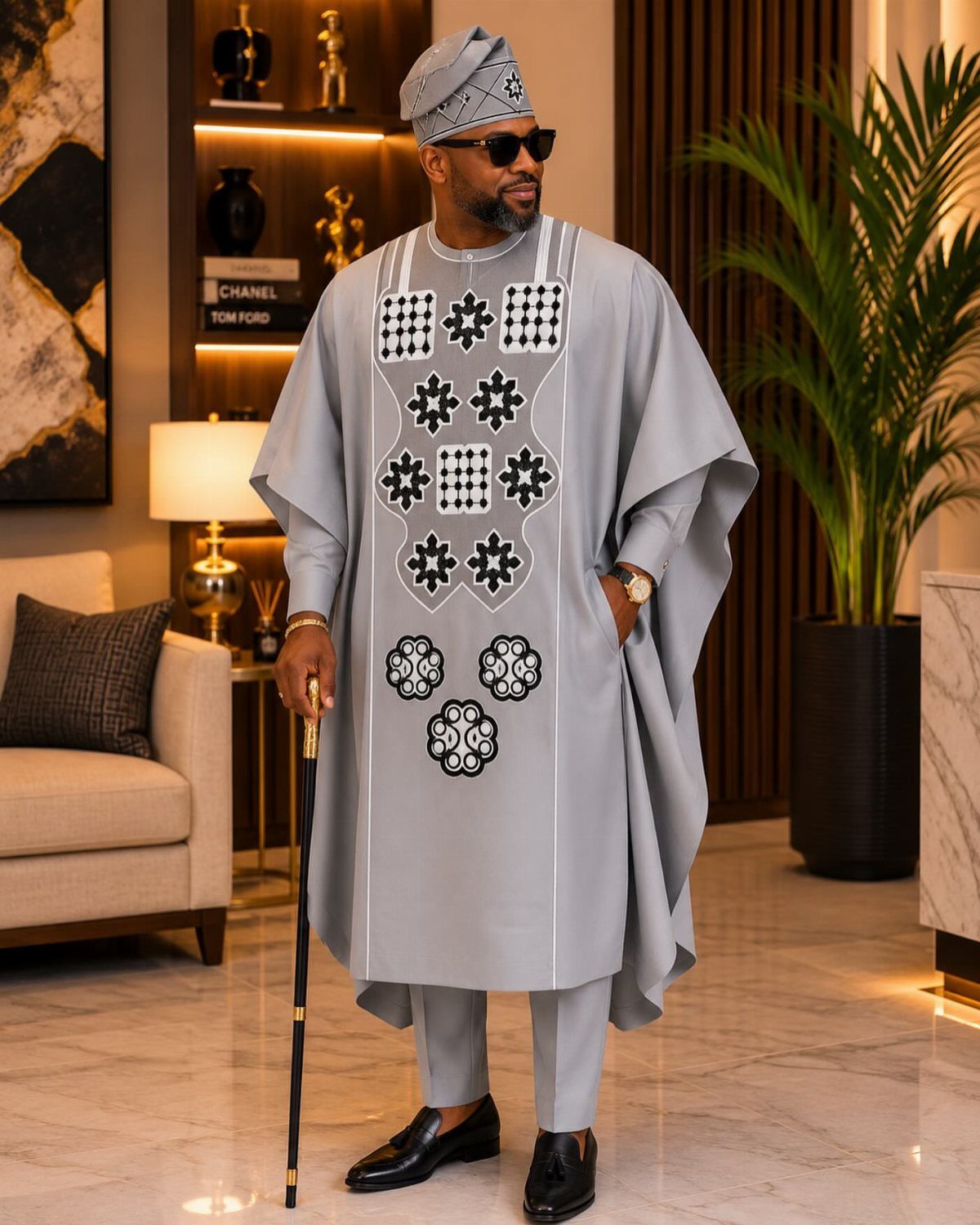
A grey agbada with embroidery gives a groom a calm, dignified look, and a fila cap finishes it. The walking stick is optional, but it adds a bit of presence if he likes props.
Pick embroidery that complements the bride’s fabric instead of copying it. Grey is a good neutral partner for gold, blue or burgundy, so it works whatever she wears.
Have him wear the full outfit, cap included, at a fitting. A cap that sits wrong shows in every photo.
6. White Lace Wedding Gown with Train
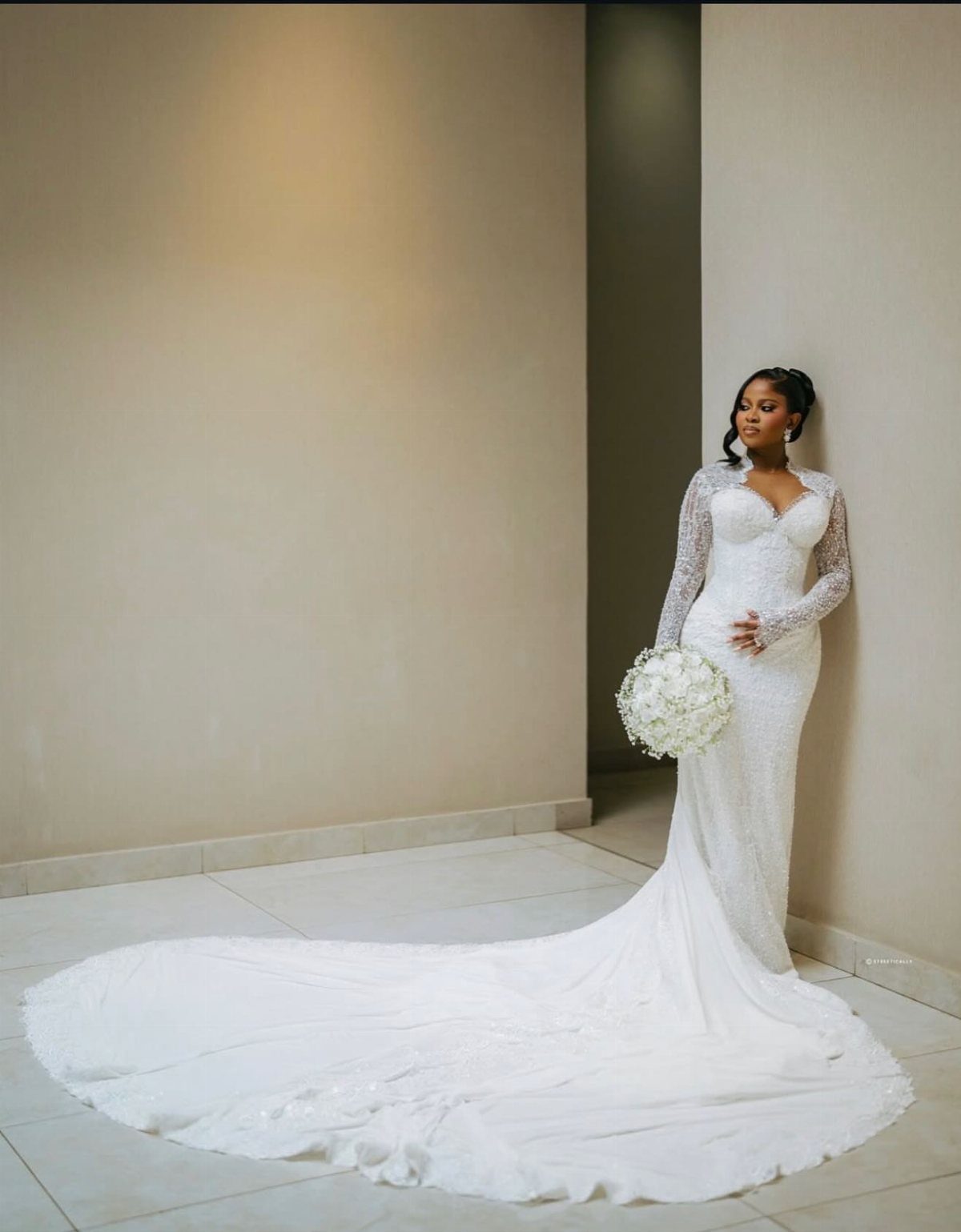
Long sleeves and lace make this the most traditionally bridal pick in the list, and a long train supplies the drama. I would choose it for a ceremony with a real aisle, where the train has room to trail.
Lace sleeves cover the arms without needing a wrap, which saves one purchase. Add a bustle at the alterations stage so the train does not drag at the reception.
Keep the bouquet white and simple, so the lace stays the focus.
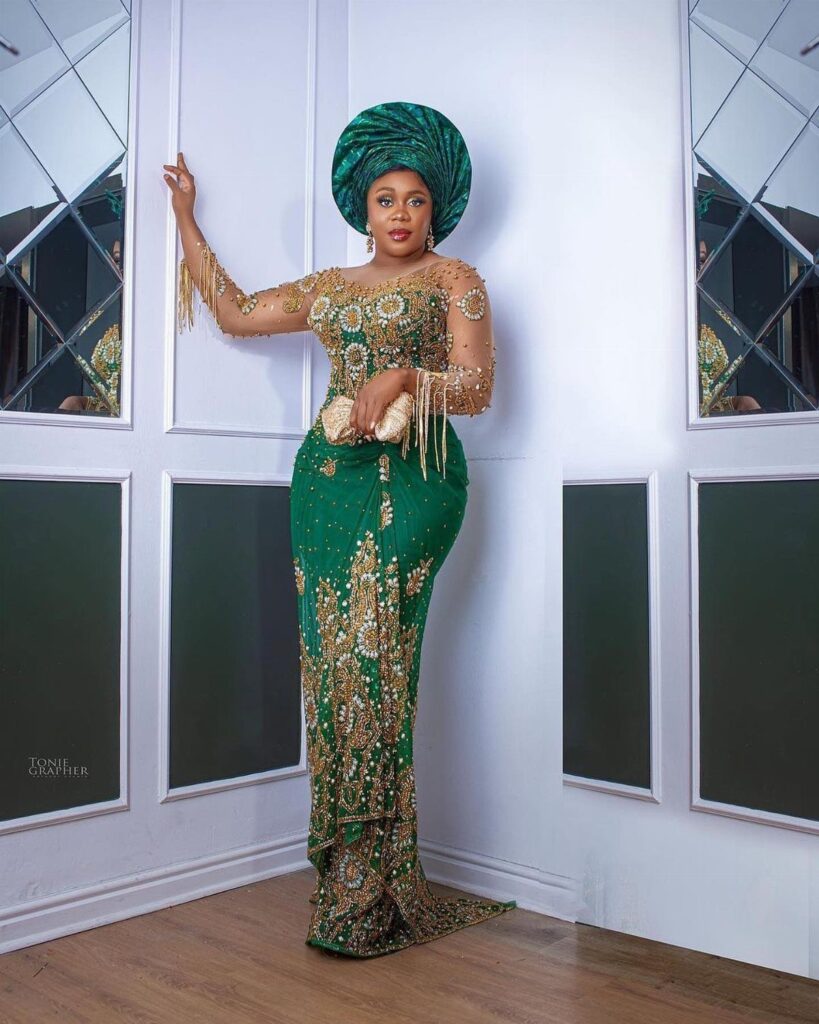
7. Green and Gold Lace Gown
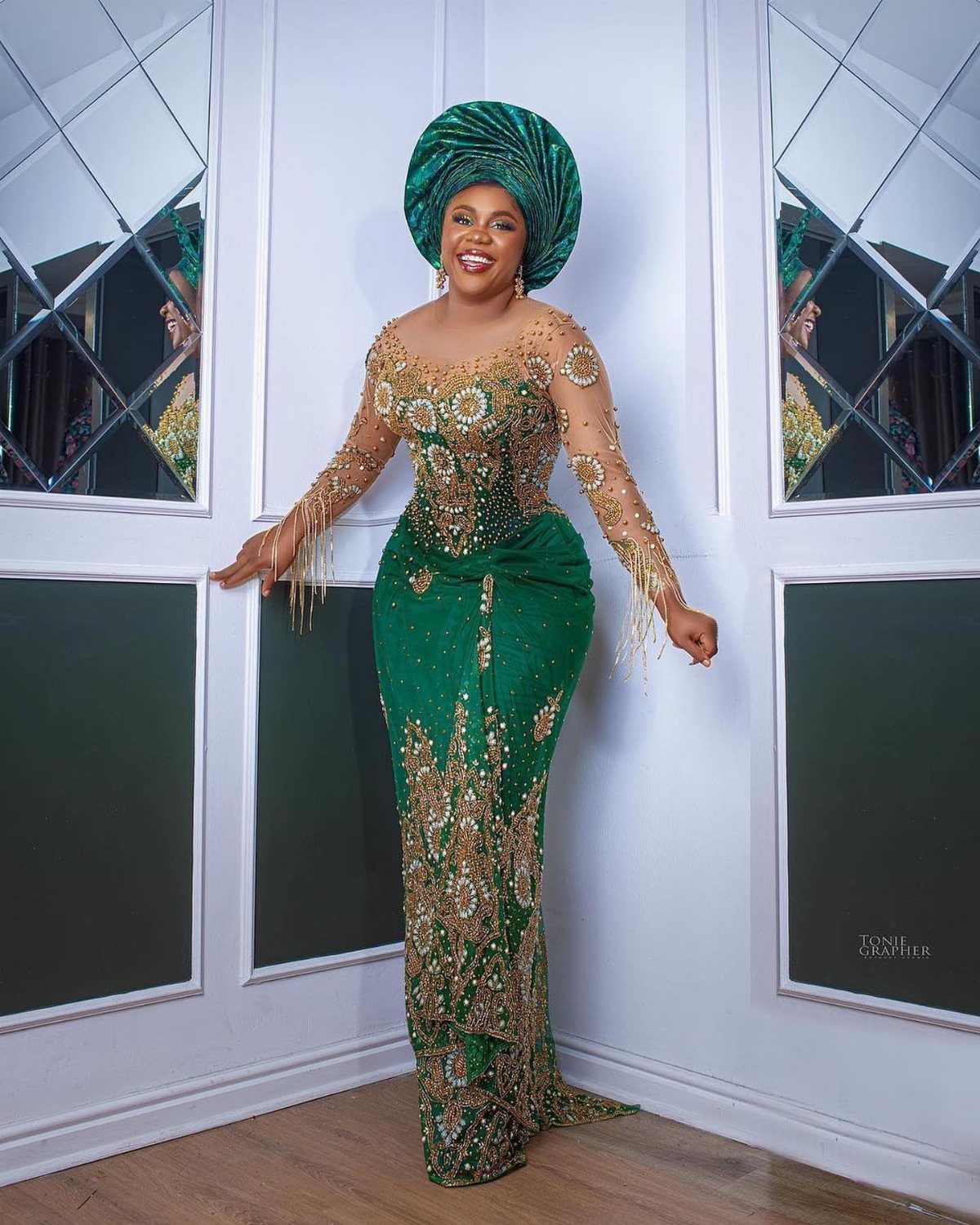
Green with gold embroidery is a combination that gets noticed in a room, and it works because the two colors stay in one family of richness instead of competing.
Lace gives the gown texture, and the gold stitching adds light without any extra accessories.
Cut the gele from the same green lace or a close match, so the head and the gown read as a single outfit.
I would bring a swatch of the gold thread to the fabric shop, since greens and golds can clash in daylight even when they look fine under store lights.
Keep jewelry minimal. The embroidery already fills that role.
8. Shimmering Burgundy Gown with Gele
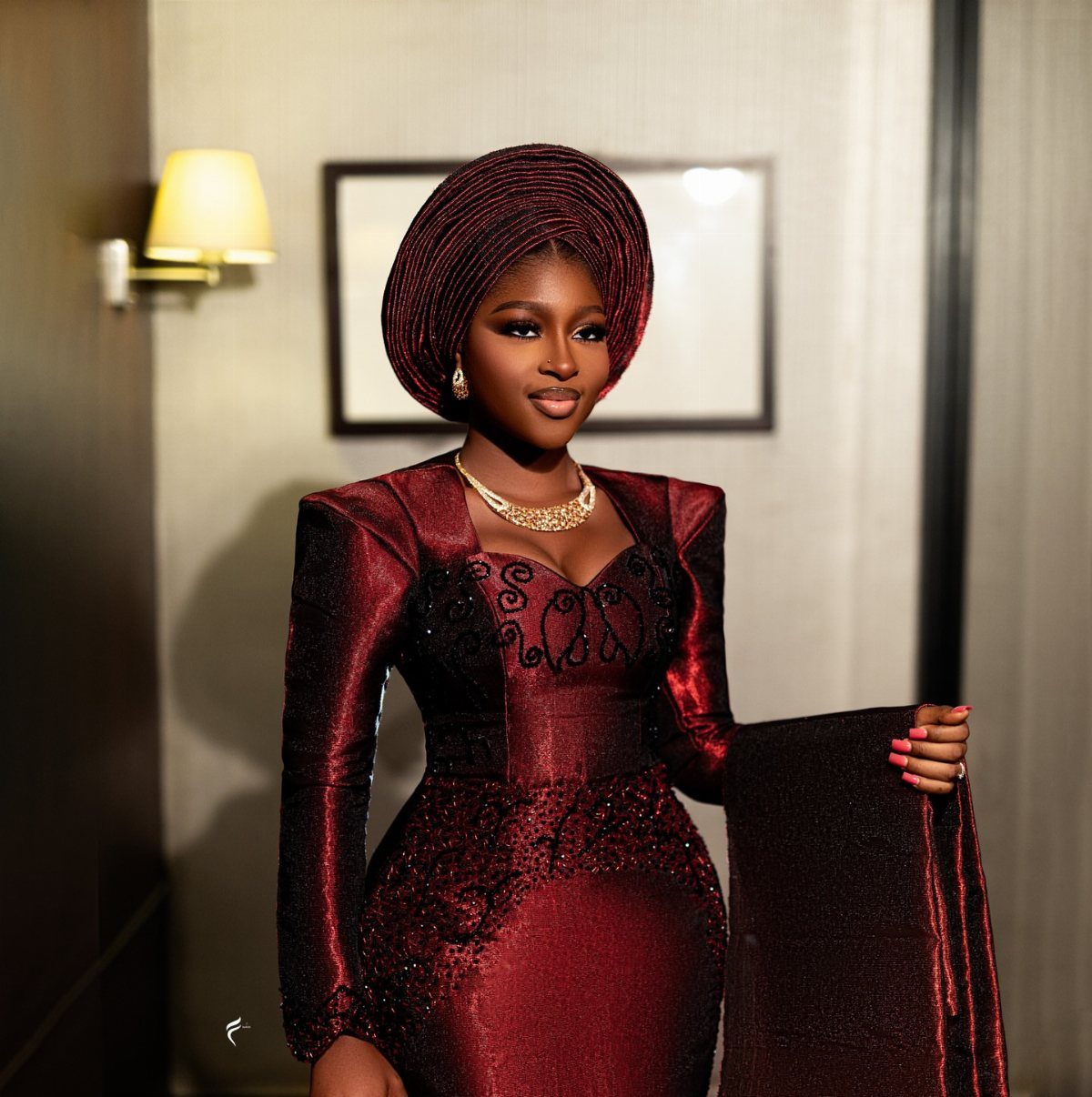
Burgundy with a shimmer in the cloth gives a bride a deep, evening-ready color, and long sleeves make the gown feel formal without a wrap or jacket. For a reader on a budget, that is one purchase doing two jobs.
Ask for the gele in the matching burgundy so the color stays unbroken from head to hem.
Look at the shimmering fabric in daylight and under indoor lamps before you pay a deposit, because the shine shifts a lot between the two.
I would pick this over a lighter shade if your reception runs into the evening. Burgundy holds up in low light.
Cultural Importance of Traditional Weddings
A traditional Nigerian wedding joins 2 families, and that shapes what you wear: the outfit has to suit elders, in-laws and relatives as much as the couple.
The outfit is part of a formal acknowledgment of the relationship, so ask yourself how your elders will read it before you ask how it will photograph.
The day usually opens with the introduction, when the groom’s family formally asks for the bride’s hand.
Bride price negotiations, gift exchanges, prayers from elders and a blessing of the couple follow. Plan for several outfit moments across those hours, not one.
Customs change by community. At an Igbo wedding, the bride carries palm wine into the crowd, finds her groom and hands him a cup; his drinking it means he is accepted.
A Yoruba groom and his friends lie flat on the ground before the bride’s family as a sign of respect, so his outfit should let him bend and rise with ease.
Hausa weddings follow Islamic custom, and one rite, called Kamu, is when the bride’s veil is lifted. Check how that moment affects your head covering.
Tips for Wedding Planning
Talk to the elders in both families before you order anything. They know which customs your community expects, and a short conversation now beats a correction on the wedding day.
Then ask an expert, such as an experienced tailor or a planner who handles traditional ceremonies, to check the details. Authenticity lives in small choices, and someone who has dressed many couples will spot what you would miss.
Start early. Handmade outfits need several fittings, and a rushed schedule leaves no room to fix a cut or a hem.
Book your first fitting as soon as the fabric is chosen. Leave a gap of a few weeks before the wedding for final adjustments, so a small change never becomes an emergency.
Frequently Asked Questions
What does the bride wear at a Nigerian wedding?
It depends on her community.
A Yoruba bride typically dresses in hand-woven aso oke: a fitted buba top, an iro tied around the waist, and a gele folded high on the head, with strands of coral at the neck and wrists.
Igbo brides typically wear George fabric wrappers, often in gold, with red coral beads and a matching headtie.
Hausa brides usually choose lace or silk dresses, often with henna designs and colorful veils. Many brides also wear a modern gown with traditional cuts, such as a green and gold lace gown with a matching gele.
What is the typical bride price in Nigeria?
I can’t give a typical figure, because bride price amounts aren’t set here and customs differ by community. Ask the elders in both families what your community expects.





