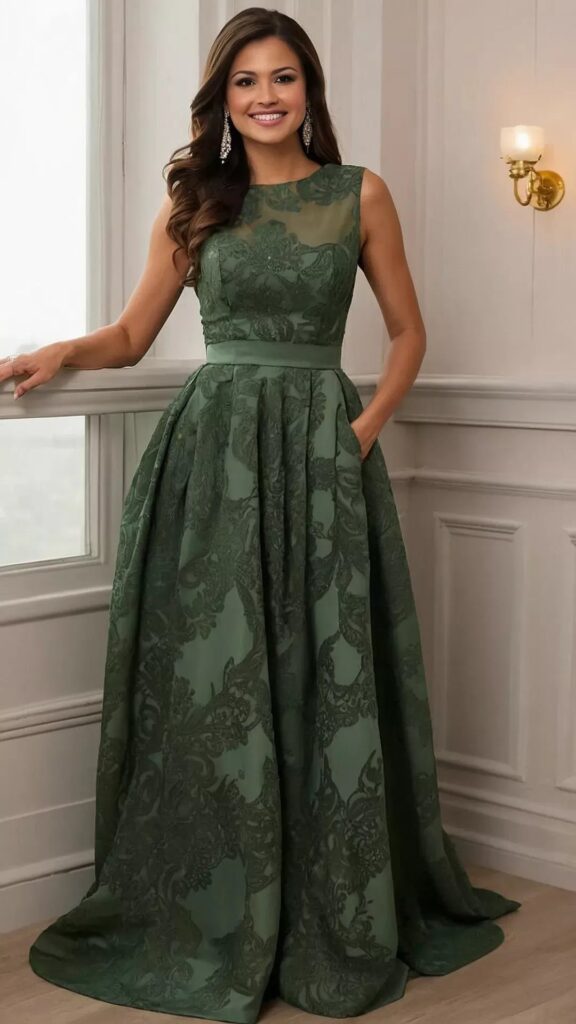
Whatever the invitation says about dress is your first clue, since wedding dress codes climb from casual daytime outfits and midi cocktail dresses up to long gowns and tuxedos for black tie.
The ideas below cover that range, from long gowns and a classic black tuxedo to a navy tuxedo with black lapels, casual daytime outfits and flowy outdoor dresses.
1. Long Gowns for Black-Tie Wedding
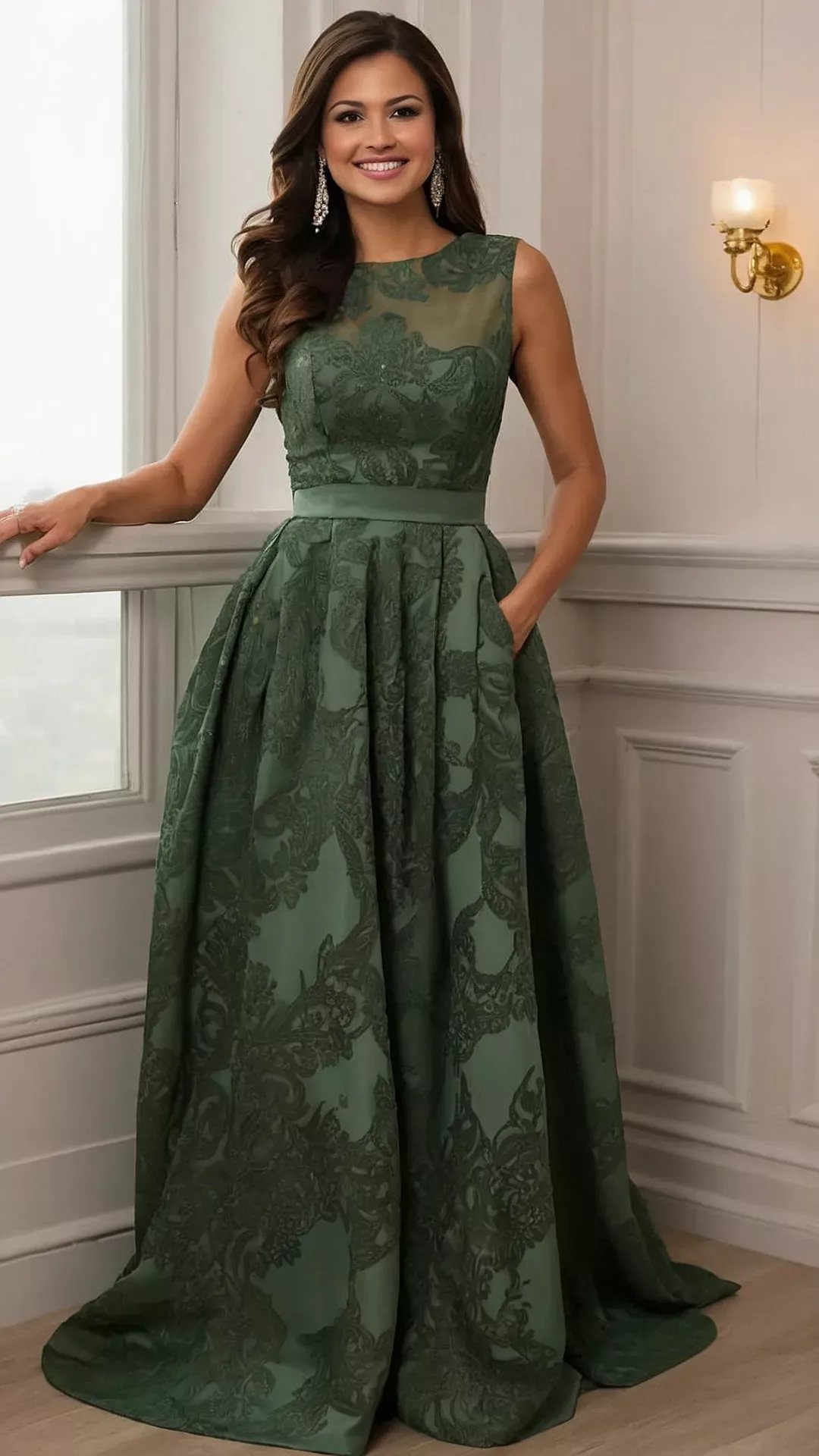
Black-tie means floor-length for women, and a dark, saturated fabric like this green jacquard reads as formal without needing a single sequin. The woven floral pattern gives texture that plain satin lacks.
I would pick a gown with a sleeveless cut like this one, since it pairs easily with a wrap or a clutch and keeps the look clean.
A long hem is the one rule you can’t bend. Skip anything that stops above the ankle.
Rented or secondhand gowns keep the cost down.
2. Dress Code Cards
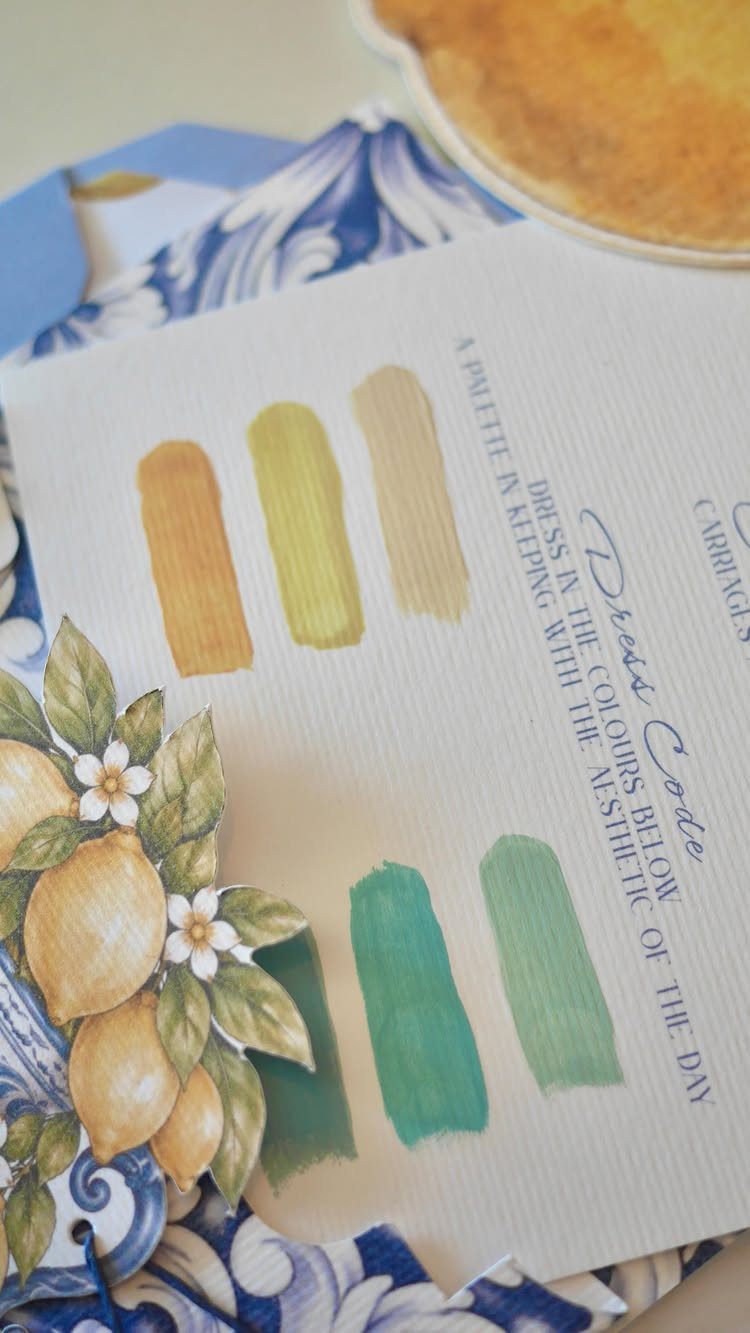
A dress code card is a small insert in the invitation suite that tells guests what to wear, and a row of color swatches does more than the words "semi-formal" ever could.
The couple who made this one wrote that opinion is split about 50/50 on whether asking guests to follow a color palette is rude.
My view: a palette framed as an invitation ("dress in the colors below") lands softly, and guests on a budget can often shop their own closets for a match.
Keep the swatches to 2 or 3 colors so the request stays easy.
3. Midi Dresses for Cocktail Wedding
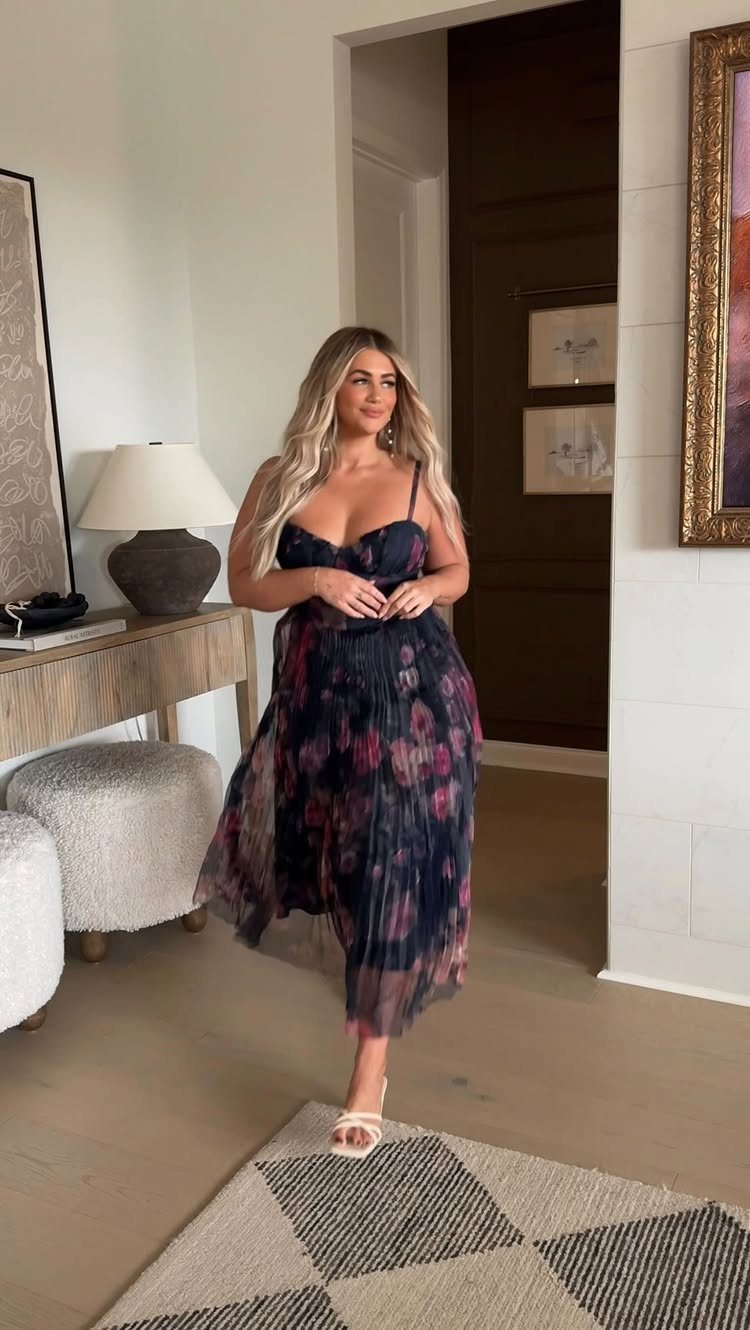
Cocktail attire lives at the midi length, and a floral print like this one gets you dressed up without the cost of a gown.
White heels and a dark floral are a good pairing, but check that your shoes don’t compete with the bride’s color if she is wearing white. I would swap in nude or metallic heels for safety.
A midi also works again at other events, like rehearsal dinners, work parties and other weddings, which makes it the best value for a guest watching spending.
Cocktail weddings are always hard — you don’t want to show up in a gown and feel overdressed, but you can’t exactly throw on whatever you’d normally wear to the bar.
— The Cut
4. Casual Outfits for Daytime Wedding
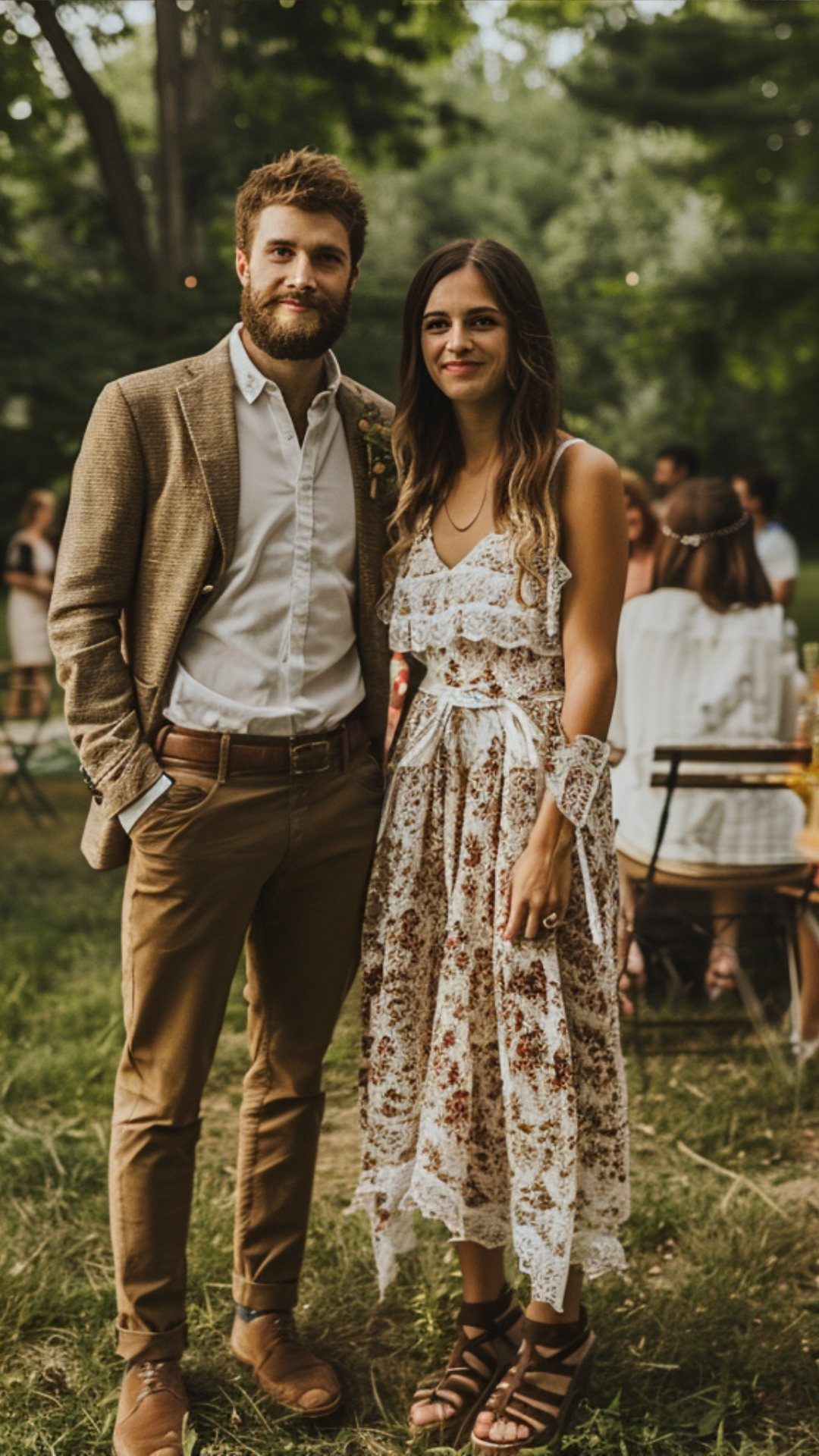
Daytime weddings let guests loosen up: a tan blazer over chinos for him, a light floral dress for her.
My pick is to keep the palette soft and earthy, as here, so you look polished in photos without matching the wedding party. Skip jeans and anything with a graphic on it, since casual doesn’t mean beachwear.
The best part is cost, because both pieces are likely already in your closet.
5. Flowy Dresses for Outdoor Wedding
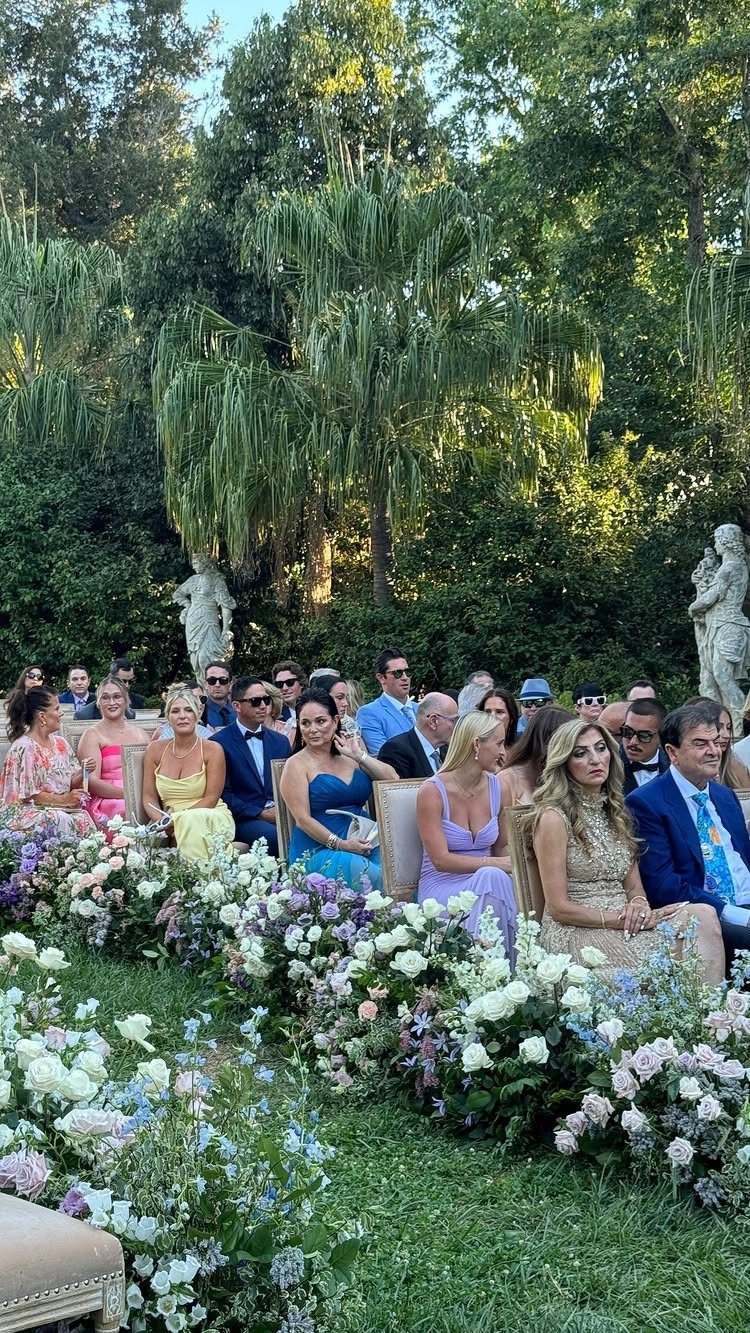
Soft, loose skirts suit a garden ceremony, where you’ll sit on folding chairs for a while and walk on grass.
I’d choose a fabric that moves, such as chiffon, and a length that clears the ground.
Block heels beat stilettos on lawns, which sink. Colors can be bright, from coral to marigold to deep teal, but keep white, ivory and cream off the list.
Bring a light wrap in case the breeze picks up once the sun dips behind the trees.
6. Classic Black Tuxedo for Men
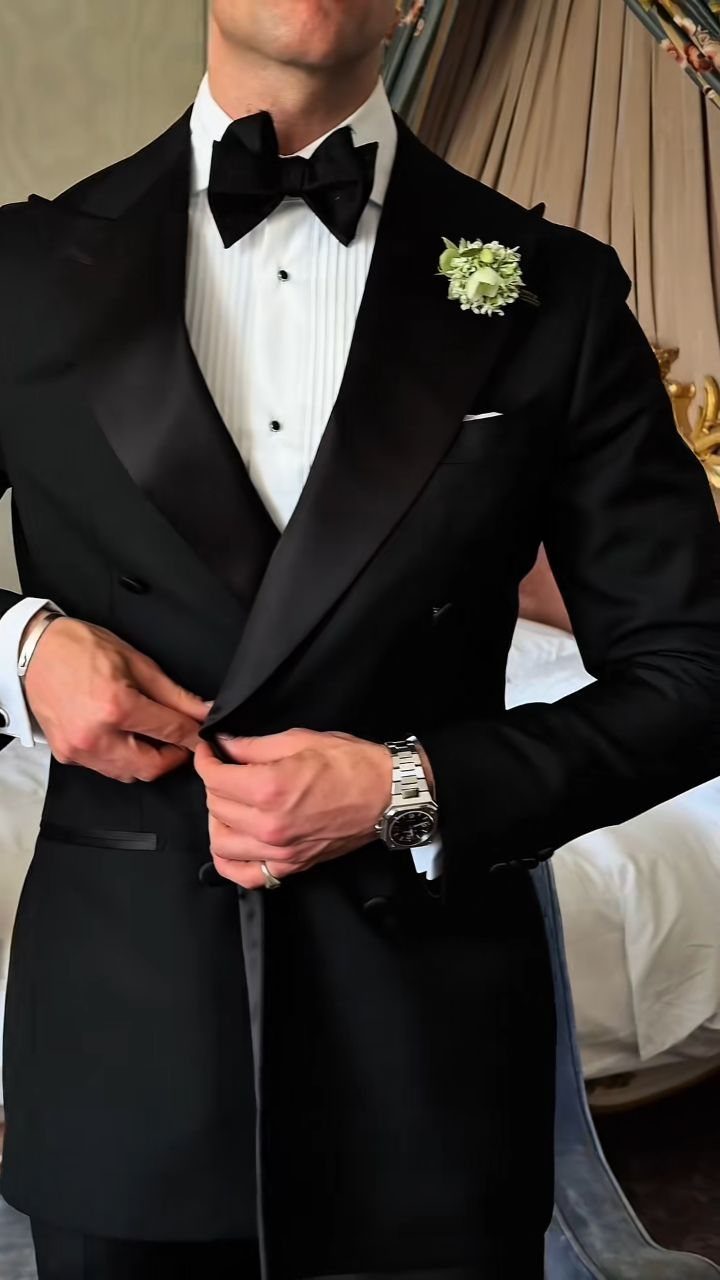
A black tuxedo with a pleated shirt, black bow tie and a single boutonniere is the version nobody questions. It fits black-tie and wedding photos from any decade.
For a guest, the pleated shirt and bow tie matter more than the jacket, because they separate a tuxedo from a dark suit.
Renting is usually cheaper than buying unless you attend several formal events a year.
7. Navy Tuxedo with Black Lapels
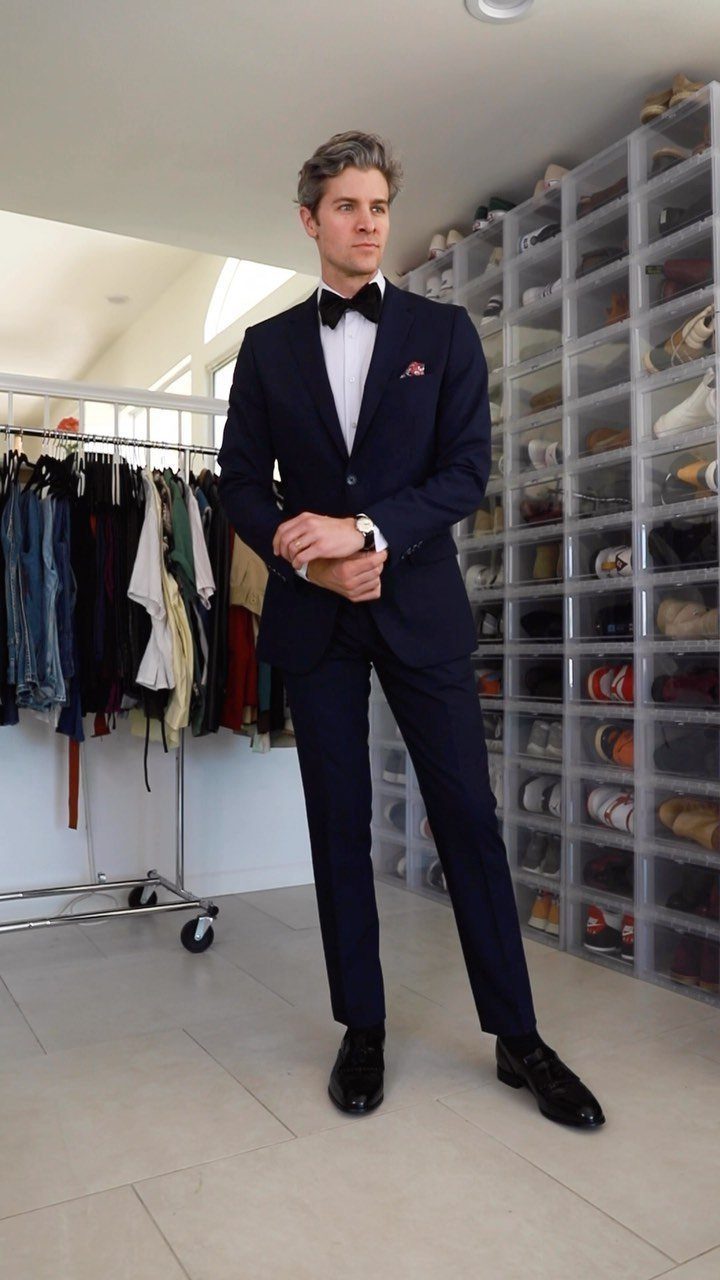
Navy with black satin lapels and a black bow tie reads as a tuxedo, not a business suit.
Navy wool beside black satin or grosgrain lapels gives a tuxedo depth that a single-color black suit lacks, and under evening lighting the facing catches the light while the cloth stays matte.
I like it for a guest who wants black-tie without looking like the waiter. Keep the bow tie black to match the lapels, and wear black shoes so the outfit stays consistent.
Renting works here, as it does for the classic black, unless you attend formal events often.
Understanding Dress Codes
Wedding dress codes run on a ladder with five rungs, and knowing where each one sits saves you from guessing.
Black tie is gowns and tuxedos. Formal comes next: long dresses and dark suits.
Semi-formal drops to knee-length dresses and slacks. Casual covers sundresses and khakis.
Formal and black tie get mixed up most often.
If the invitation says formal, a long dress or a dark suit is correct, and a tuxedo is optional. If it says black tie, the tuxedo and the gown are the expected choice.
When the wording is unclear, go one step up from your guess. Being slightly overdressed looks better in photos than being underdressed.
Wedding Attire Tips
Temperature swings should shape your outfit as much as the dress code does. An evening wedding can cool by 20 degrees between the ceremony and the last dance, so plan a layer you can add without wrecking the look.
Season sets the color palette too.
Fall weddings lean toward rich shades like pumpkin. Summer weddings suit muted pastels, and a floor-length gown in a soft tone works well at a formal one.
Indoor or outdoor matters as well. A garden venue calls for shoes that handle grass, while a ballroom lets you wear anything.
Check the venue’s website or ask the couple about the setting before you buy. Spending under $300 on a dress is realistic if you shop with the season and venue in mind.
Inviting Guests
Put the dress code on the invitation itself, in plain words, so no one has to hunt for it on the website. One clear phrase such as "black tie" or "cocktail attire" does most of the work.
Add a line of examples for guests who are unsure. For a warm, relaxed event, you could mention red or olive green cocktail dresses and white linen shirts with light trousers.
Examples make the code concrete, and they cut down on the texts you’ll get in the weeks before the wedding.
Keep the tone friendly, and make sure the wording matches the venue and time of day.
Frequently Asked Questions
What are the types of dress codes?
5 levels cover nearly every invitation you’ll get, from most dressed up to least: black tie, formal, cocktail, semi-formal and casual.
Drop to semi-formal and a knee-length dress or slacks with a collared shirt works, while casual leaves room for a sundress or khakis.
What is not appropriate to wear as a wedding guest?
Skip white, ivory and cream, since those colors belong to the bride.
Skip jeans, graphic tees and beachwear at a casual wedding, and at black tie, anything that ends above the ankle. Dressing a step above your guess is safer than dressing down, because overdressing looks better in photos.
What is the difference between formal and black tie?
Black tie expects a tuxedo for men and a floor-length gown for women. When the invitation wording leaves you guessing, dress one level up from your first instinct.





