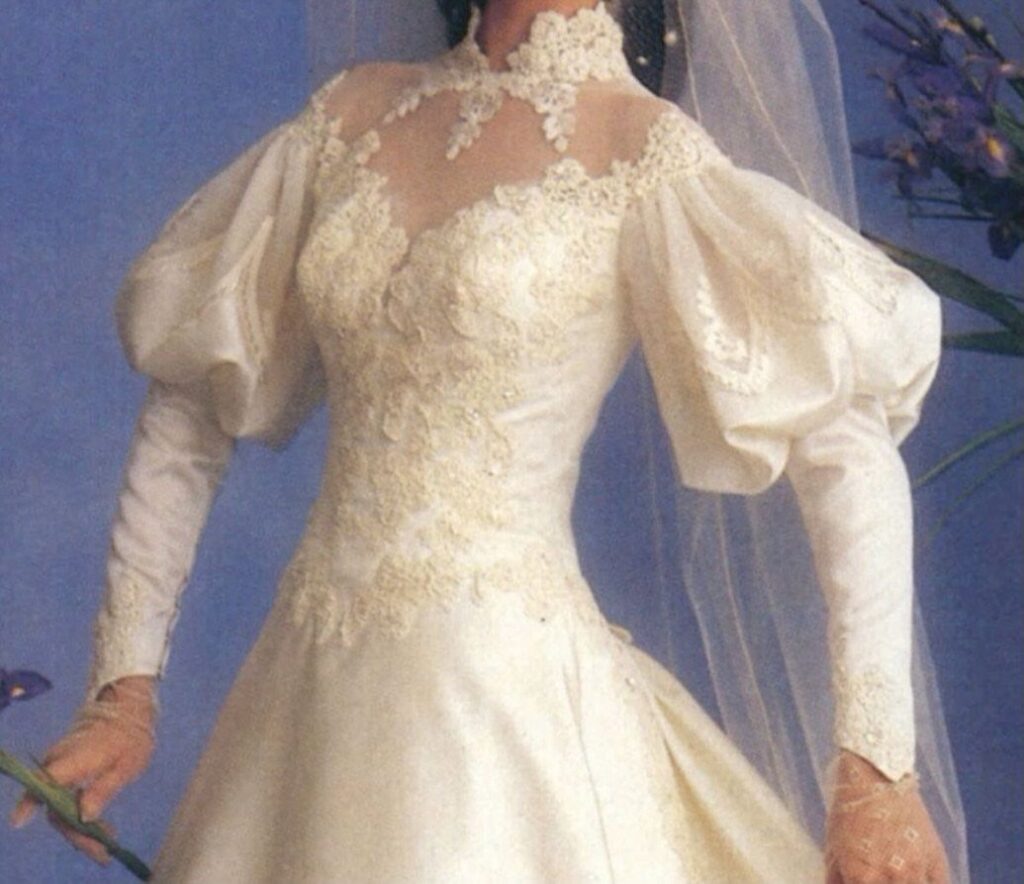
The list runs from a white satin gown and lace bodice to puffed sleeves, a full skirt, a matching veil and a tiara, and the room you’re marrying in decides which of those details is yours.
In a small venue, let one 1991 detail carry the look, such as the puffed sleeve, and keep the skirt and neckline plain.
1. White Satin Gown
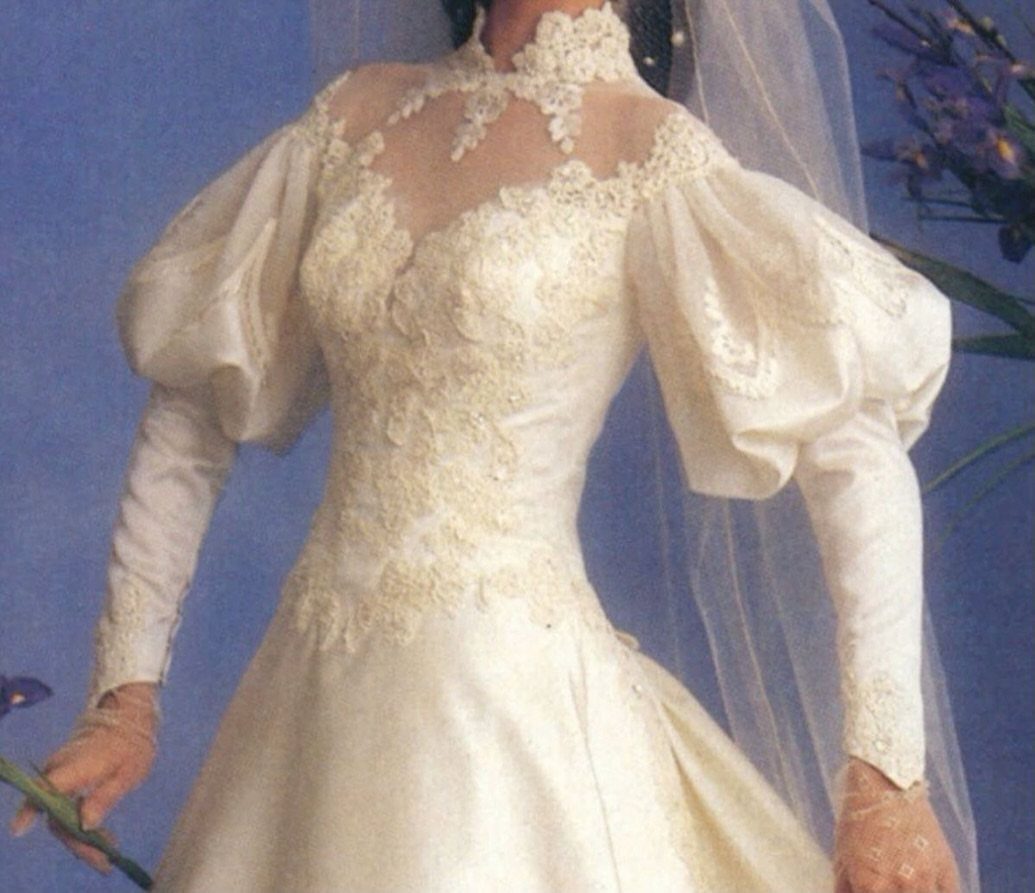
Satin gives a 1991 gown its glow, and it does the heavy lifting here: the sheen reads as formal before you add a single detail.
This one pairs it with lace on the bodice, big puffed sleeves and a veil, which is a lot of texture against a smooth fabric.
Plain satin keeps the look from tipping into costume, so pair it with just one lace or sleeve statement. Satin shows every wrinkle and water spot, so plan on steaming before the day.
2. Lace Bodice
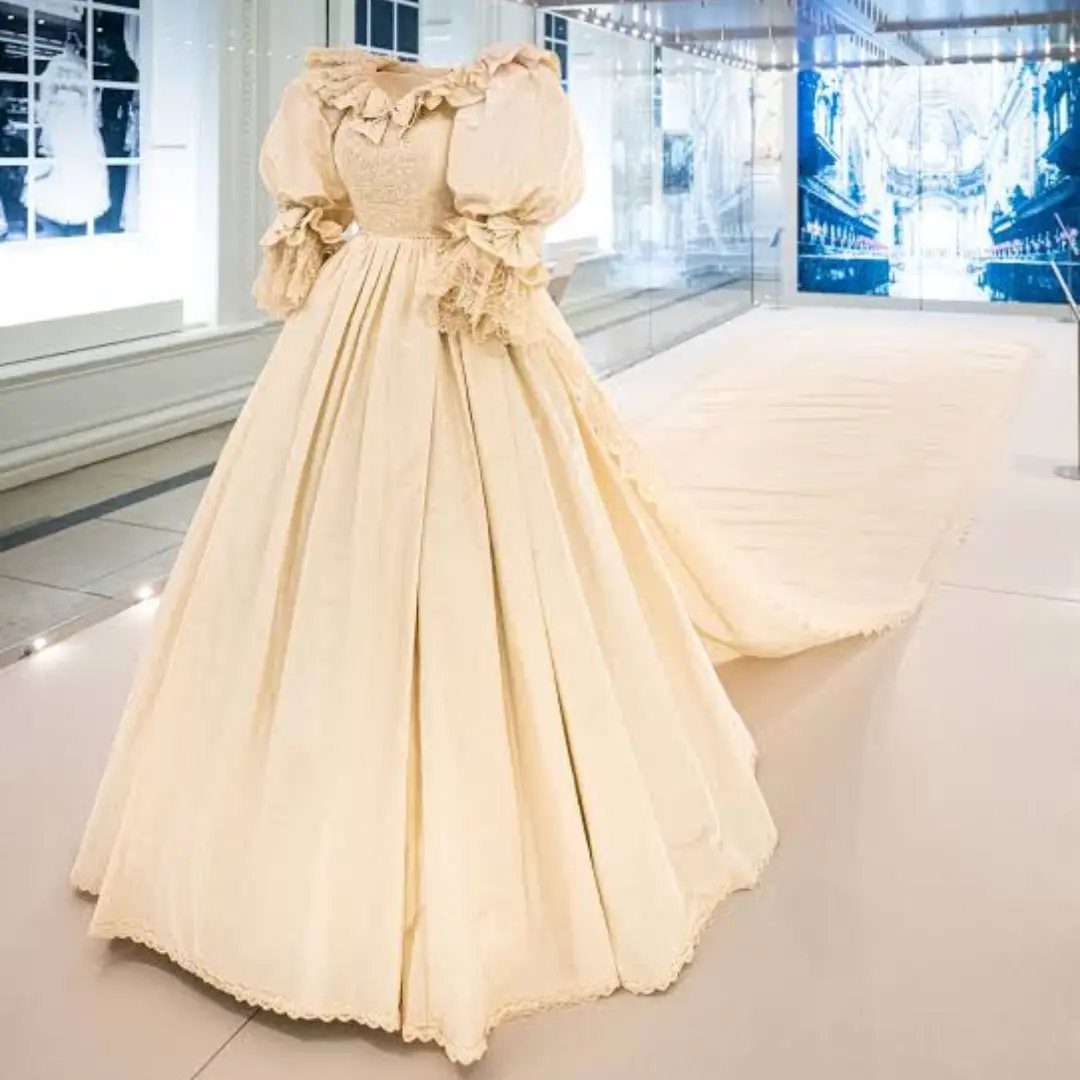
Lace across the bodice is the part of a vintage gown that holds up best on its own. Cream reads softer and more lived-in than stark white, and it suits puffed sleeves and a sweeping, floor-length train.
For a budget-minded bride, I would hunt for a gown with a lace bodice over a plain skirt. The detail sits where cameras land, so it earns attention without needing yards of trim.
3. Puffed Sleeves
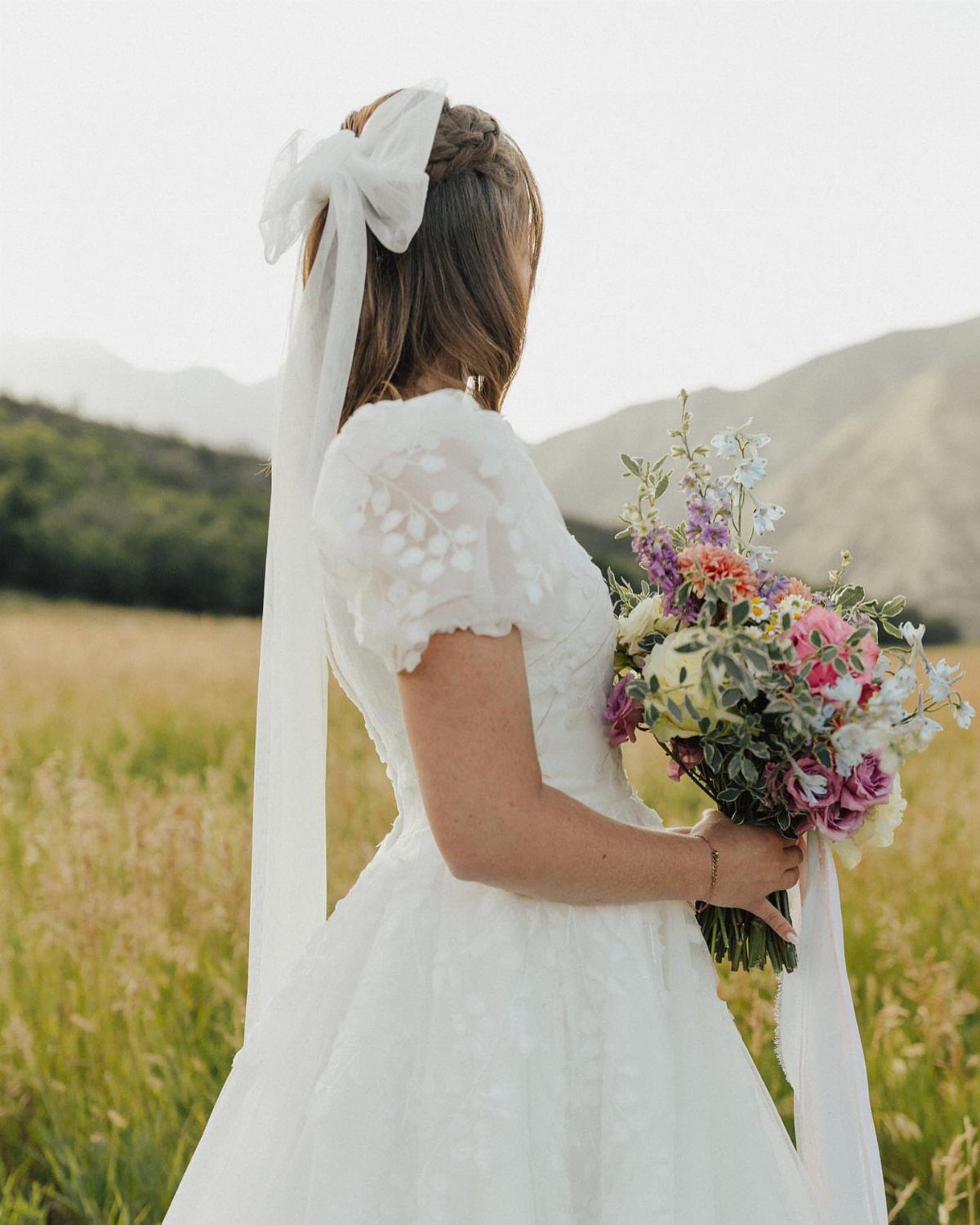
Puffed sleeves are the first thing people picture when they hear "1991 wedding dress," and a small bow at the sleeve or neckline pushes the look further into the decade. Outdoors, with a loose bouquet, they feel more romantic than dated.
Choose the size of the puff carefully. I would go for a gathered, rounded shape that sits at the shoulder rather than an extreme one, so the dress still looks like yours.
4. Full Skirt
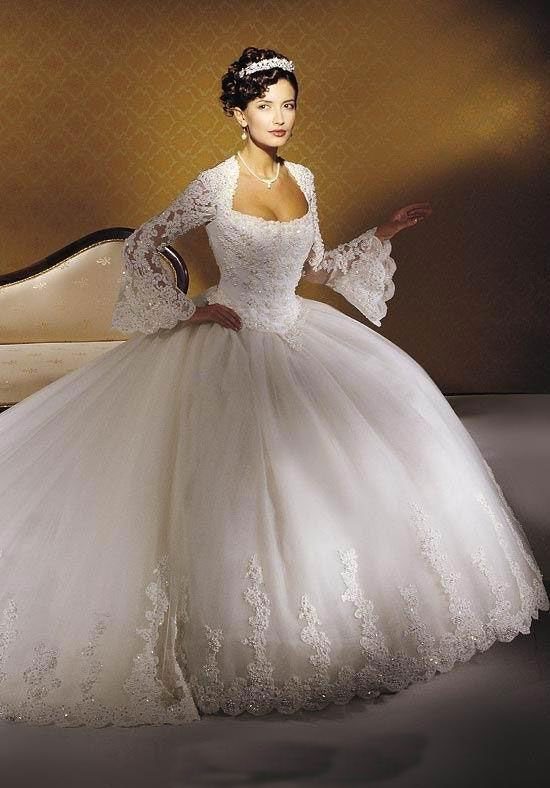
Volume does the work in a skirt this wide, and in a lace gown it turns every step into a small entrance. The lace sleeves here keep the top half quiet so the skirt can lead.
Picture the room first: the aisle width, the table spacing and the dance floor all decide how much skirt works.
A big skirt needs space for walking, sitting and dancing, so try it on and take a few turns in the fitting room, then decide.
5. Matching Veil
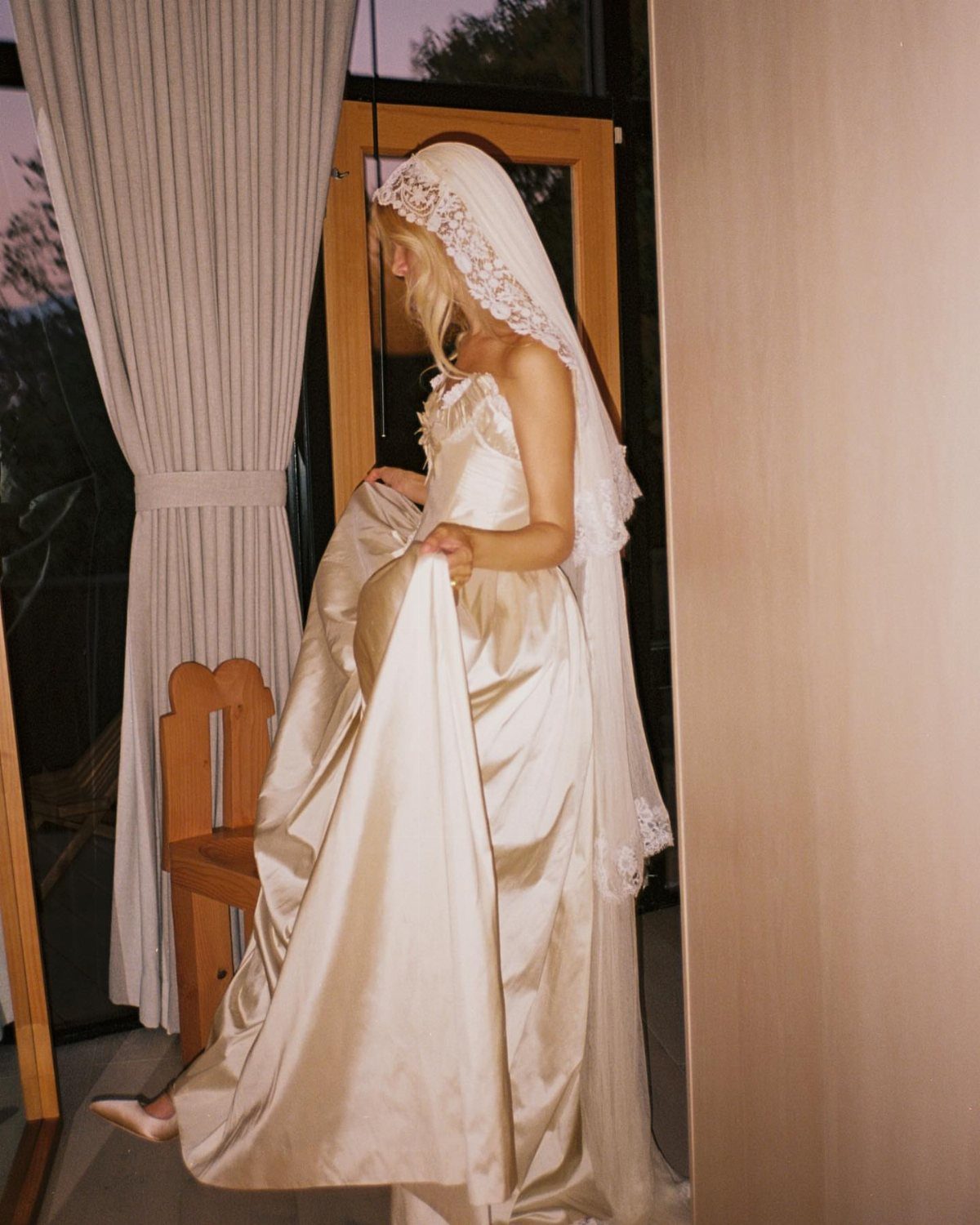
A veil cut from the same lace as the gown, or edged in it, makes the whole outfit look planned. With a satin dress, the lace-edged border adds a soft contrast without shouting.
Match the white tones in person, since satin and lace can read as different shades under indoor light. I would bring the veil to a fitting rather than ordering it blind.
6. Tiara
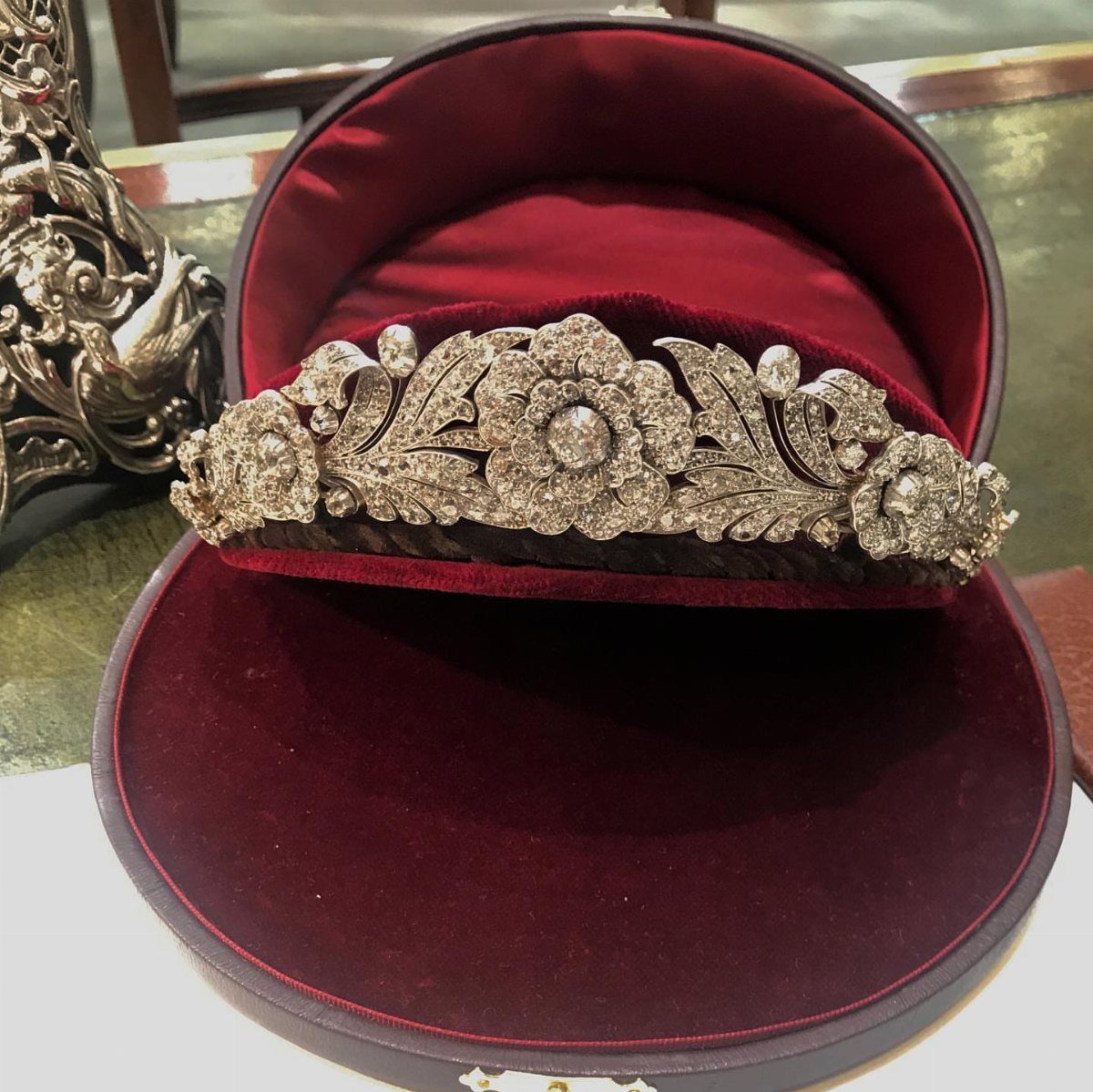
For this era, a silver tiara with floral shapes and crystals is my choice: it sparkles but stays delicate. Rhinestones catch light well and cost far less than real stones.
Wear it at the crown, or just in front of an updo, so it sits securely. Keep earrings simple, because the tiara already carries the shine.
7. Long Lace Sleeves
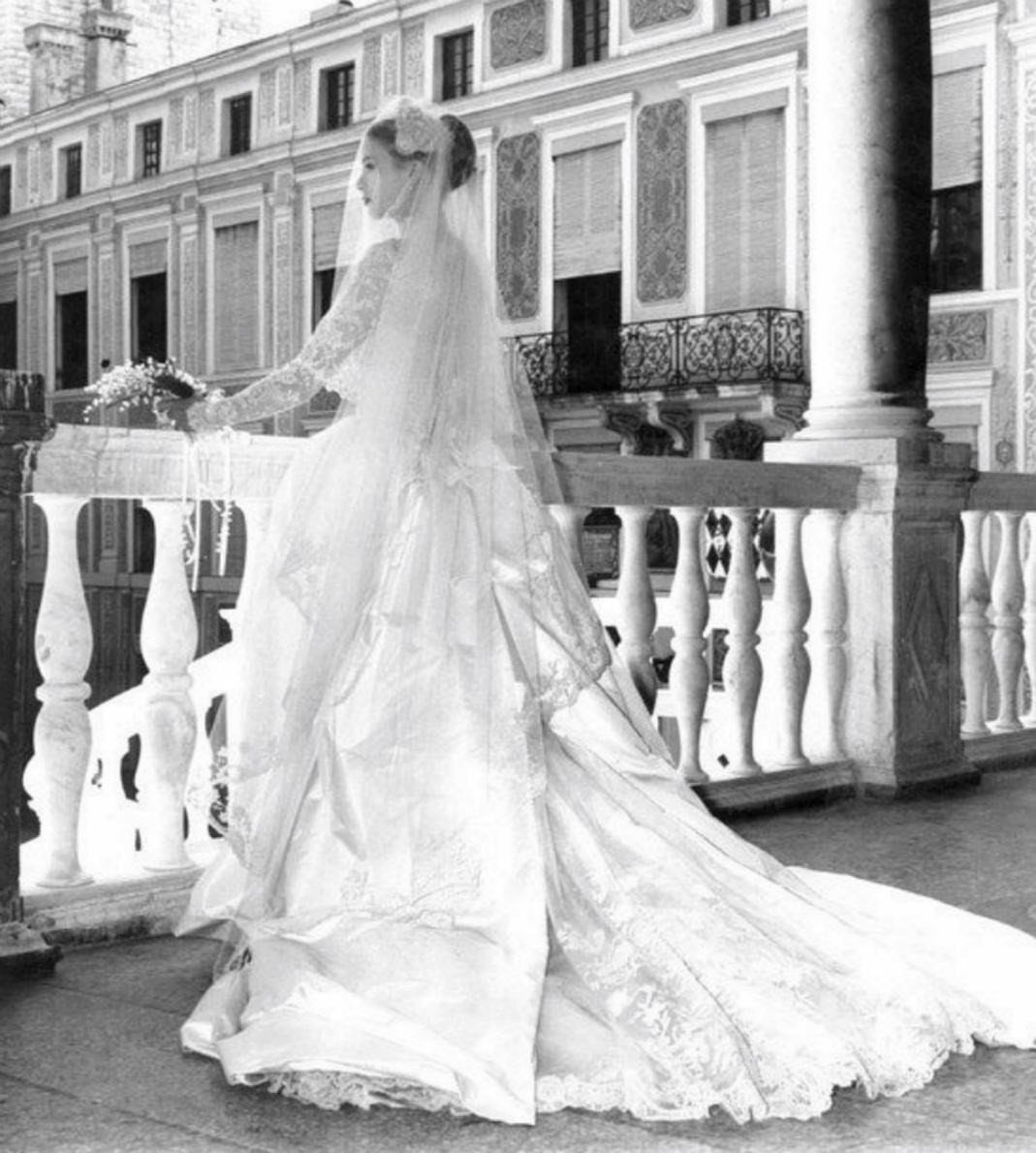
Long lace sleeves cover the arm from shoulder to wrist, and in black and white the pattern of the lace is what you notice most. Paired with a long veil, they give a gown a quiet, formal look.
Sheer lace over bare skin feels lighter than it looks, so it beats a heavy sleeve for me every time. A sleeve that stops short of the wrist keeps the arm cooler, but check it in the fitting room first.
8. Corset Bodice
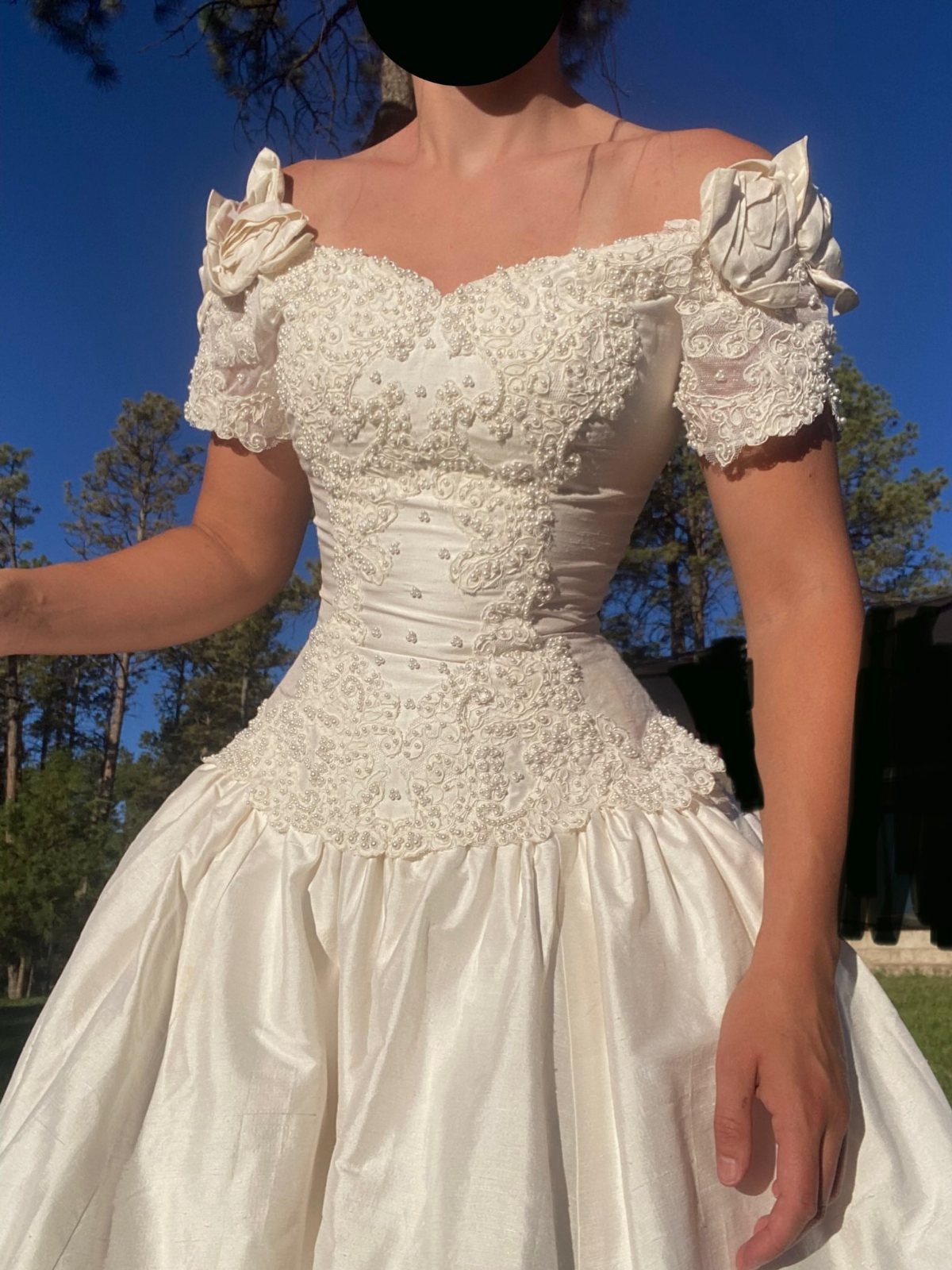
Off the shoulder, with lace over a structured corset bodice, this neckline frames the collarbones while the bodice defines the waist. A full satin skirt below balances all that shape.
I like the corset best when the lace stays on the bodice and the skirt stays smooth.
Fit is the whole job here, so book a fitting with room to adjust, because a structured bodice cannot hide a poor fit the way a loose one can.
9. Floral Accents
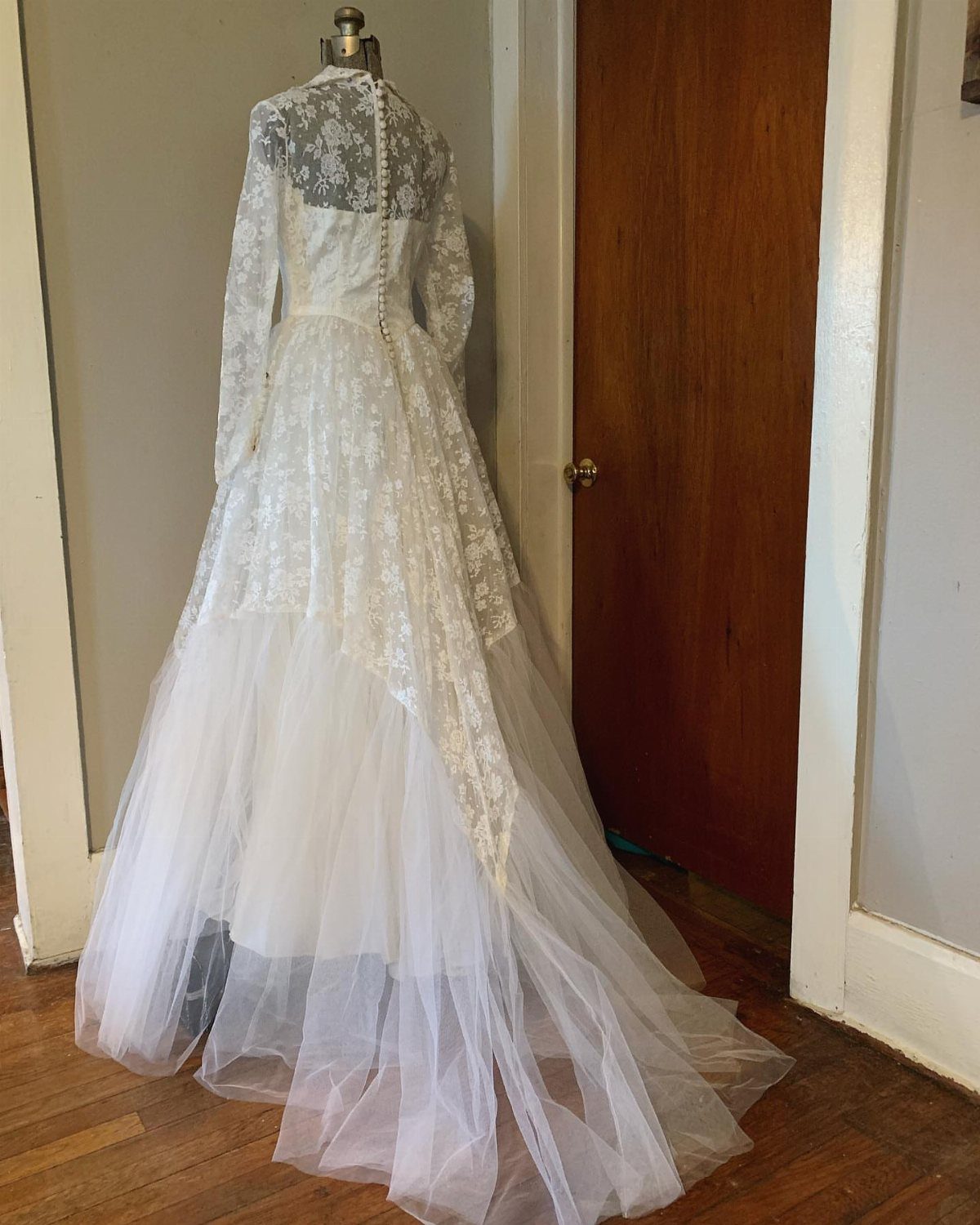
Floral lace appliqués scattered across the sleeves and bodice make a gown look softly embroidered, and a tulle skirt keeps the rest light.
Flowers also turn up on veils, combs and headpieces, so one motif can repeat in several places.
Pick one spot for the florals to lead. If the dress already carries them, I would keep the accessories plain, so the whole look stays calm rather than crowded.
Trends in 1991 Wedding Dresses
A 1991 silhouette is easy to copy badly, so start with proportion.
Some late 80s and early 90s gowns carried too much at once: big shoulders, a built-in collar, and a heavy skirt. I would pick one era-defining feature and keep the rest of the cut clean.
A short dress is a real option here.
A white lace mini with puffed sleeves, a peplum waist, a sheer tulle veil and satin gloves was one 1991 look, and a short hem costs less in fabric and hemming than a ballgown.
Another look from that year paired a high neckline with a side slit, and a lace-edged overskirt finished the whole thing.
The slit gives you room to walk, and the overskirt adds drama you can remove for dancing, if a seamstress sews it as a detachable layer.
The business-like shoulder is the piece I would skip. Heavy shoulder structure ages a gown faster than any lace does.
Accessories for 1991 Brides
Gloves are the accessory most brides forget to budget for. Satin gloves in the same white as the gown are the safest match; hold them against the fabric in daylight, because whites drift apart quickly.
Try the gloves on with the dress before the day.
You need to be able to hold a bouquet, sign the marriage license and slip off a ring without a struggle. Short gloves are easier than long ones, and long gloves are best with a sleeveless gown.
Keep the set to 3 pieces: veil, tiara and gloves. Choose one to lead, and let the other two stay quiet in color and size.





