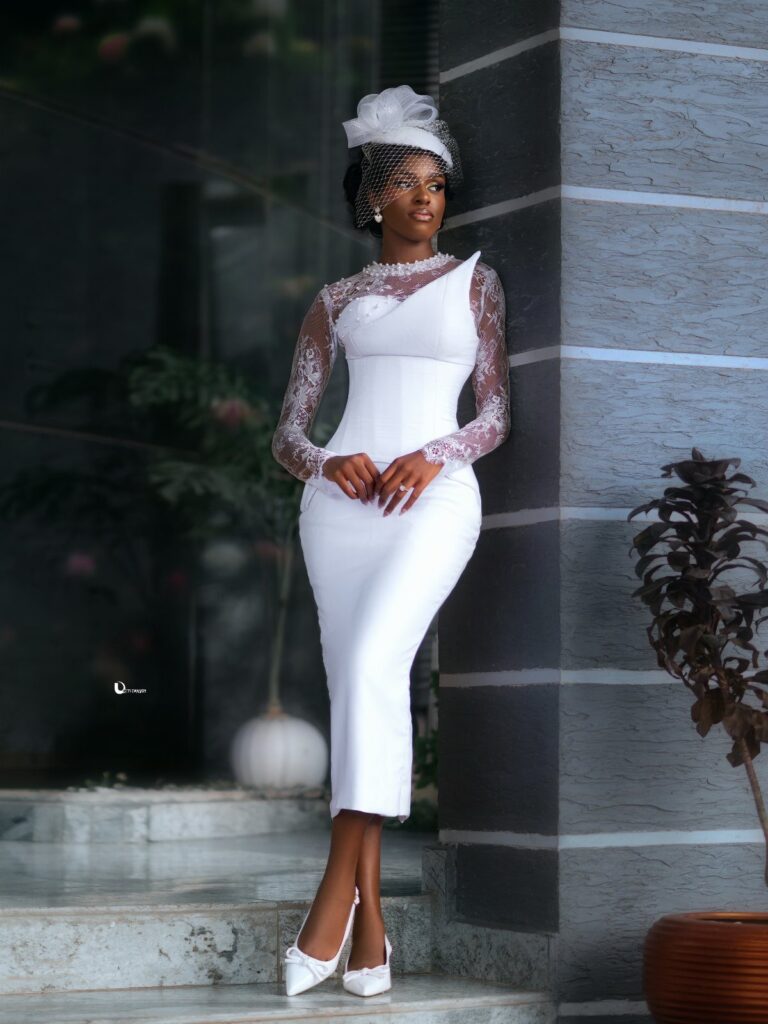
The looks here run from a short dress to a long gown, with a jumpsuit, a tailored set and a slip dress in between, and prices swing widely: a Self-Portrait bouclé midi costs $615, while an Emilia Wickstead crêpe maxi was marked down from $2,836 to $1,701.
1. Simple Short Bridal Dresses
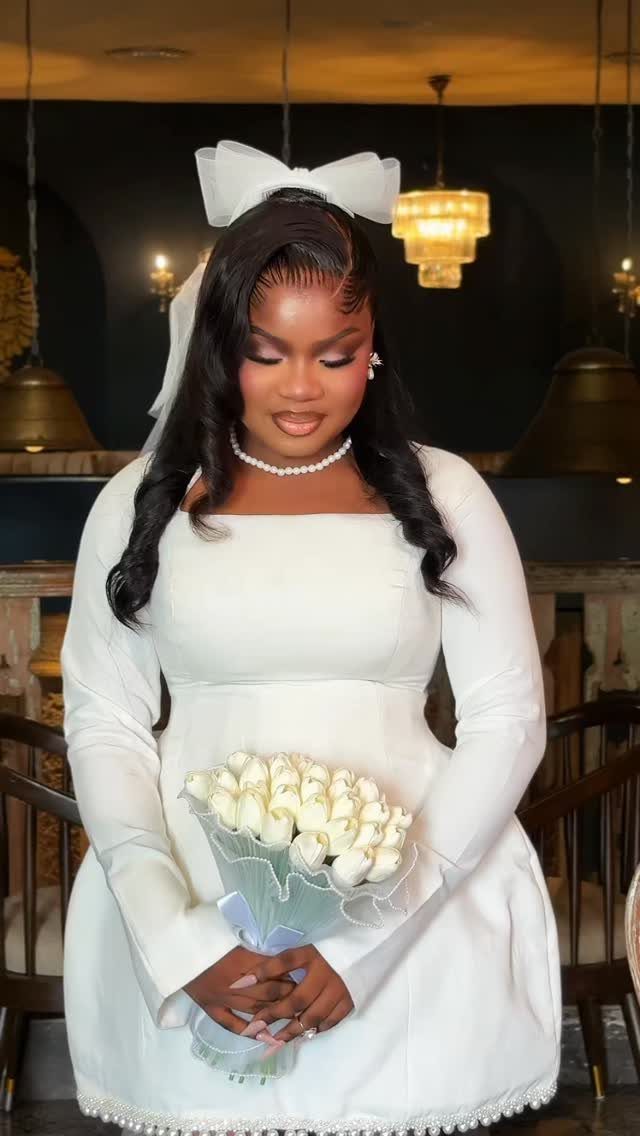
A short dress with long sleeves gives a courthouse ceremony the polish of a gown without the volume.
The hemline stays clear of marble steps and crowded hallways, and a bow in the hair and a pearl necklace do the dressing up.
I would spend the money on the details, not the length.
Pearls, a bow and a small bouquet of white roses make a short dress feel like a wedding outfit, and none of them costs much next to a full gown.
2. Elegant Midi Bridal Dresses
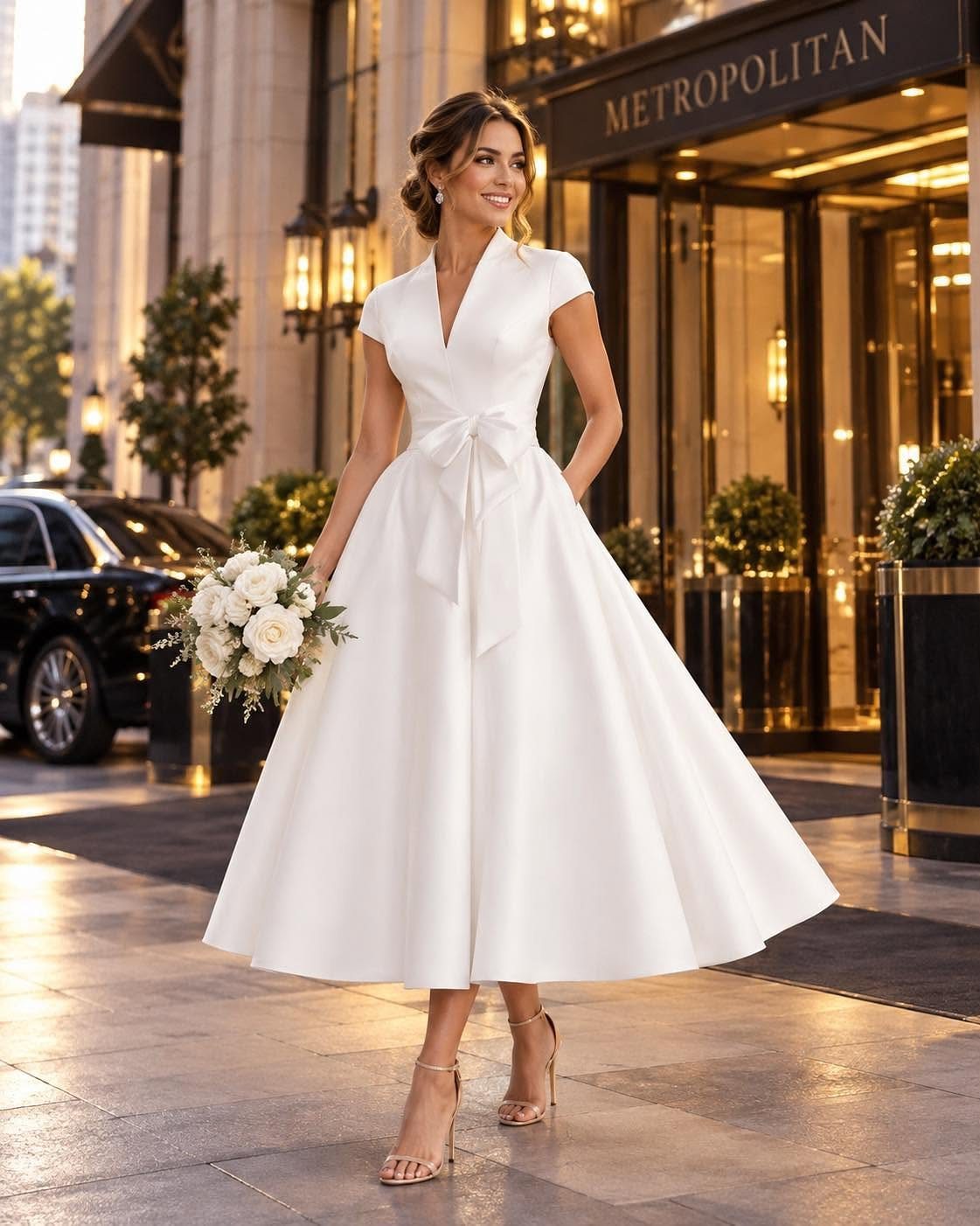
Midi length sits between the 2 worlds: the hem lands below the knee, so the dress reads as bridal while still looking like something a modern woman would choose.
A bow detail adds a traditional touch without turning the dress fussy.
Heels matter more here than with a long gown, since the whole hem is on show. Pick them before your fitting, so the length is set against the shoes you will actually wear.
3. Maxi Dress
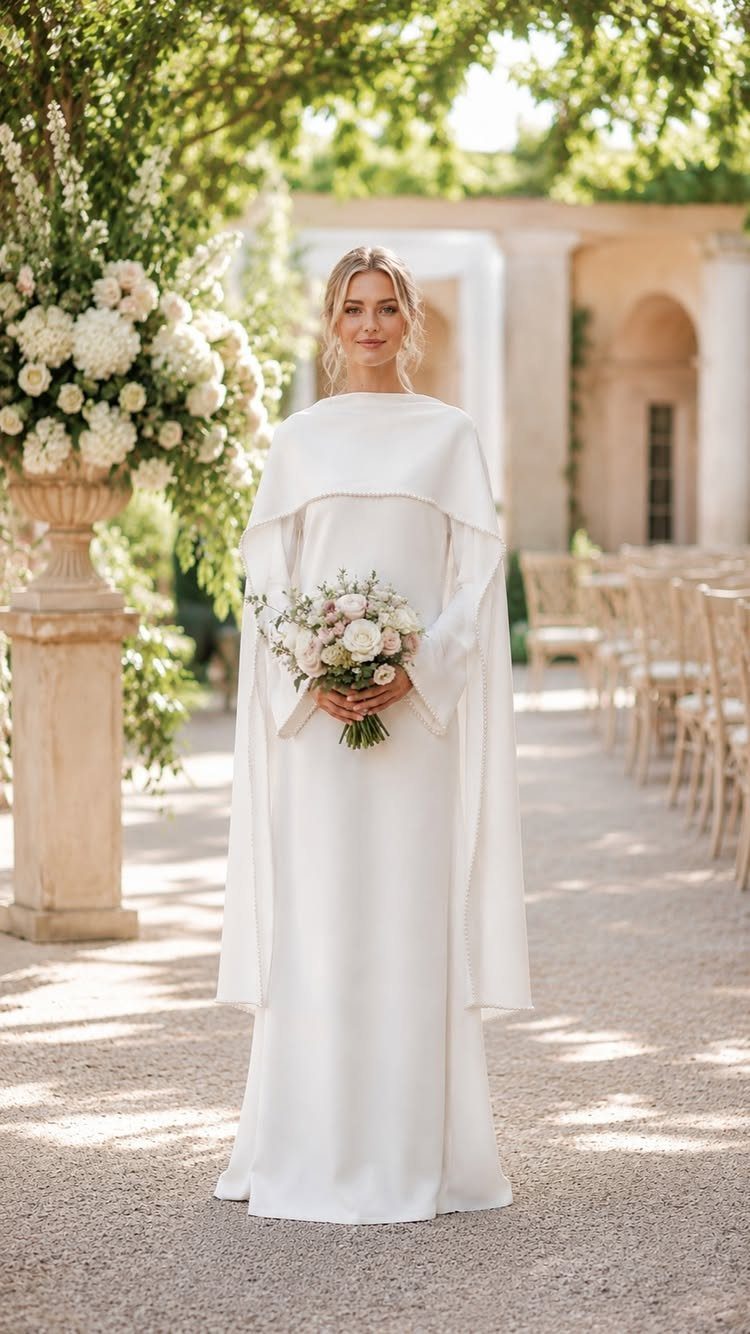
A maxi dress with a capelet is my pick for brides who want romance on a short ceremony schedule. The long line looks like a gown, and the cape adds a layer of drama without needing a veil or train.
Hem length is the one thing to check carefully. Courthouse floors and steps are busy, so try the dress with your shoes and walk up a few stairs before you commit.
4. Casual Jumpsuits

Wide sleeves and a satin finish make a white jumpsuit feel as dressy as any dress, and the wide legs move almost like a skirt.
For a bride who would rather skip a gown entirely, it is a clean, modern answer.
Choose a jumpsuit that is clearly white and clearly satin, not a casual weekend fabric, so it reads as bridal in photos. Sit down in it once before buying, since the waist and seat are where jumpsuits can fail.
5. Traditional Long Bridal Gowns
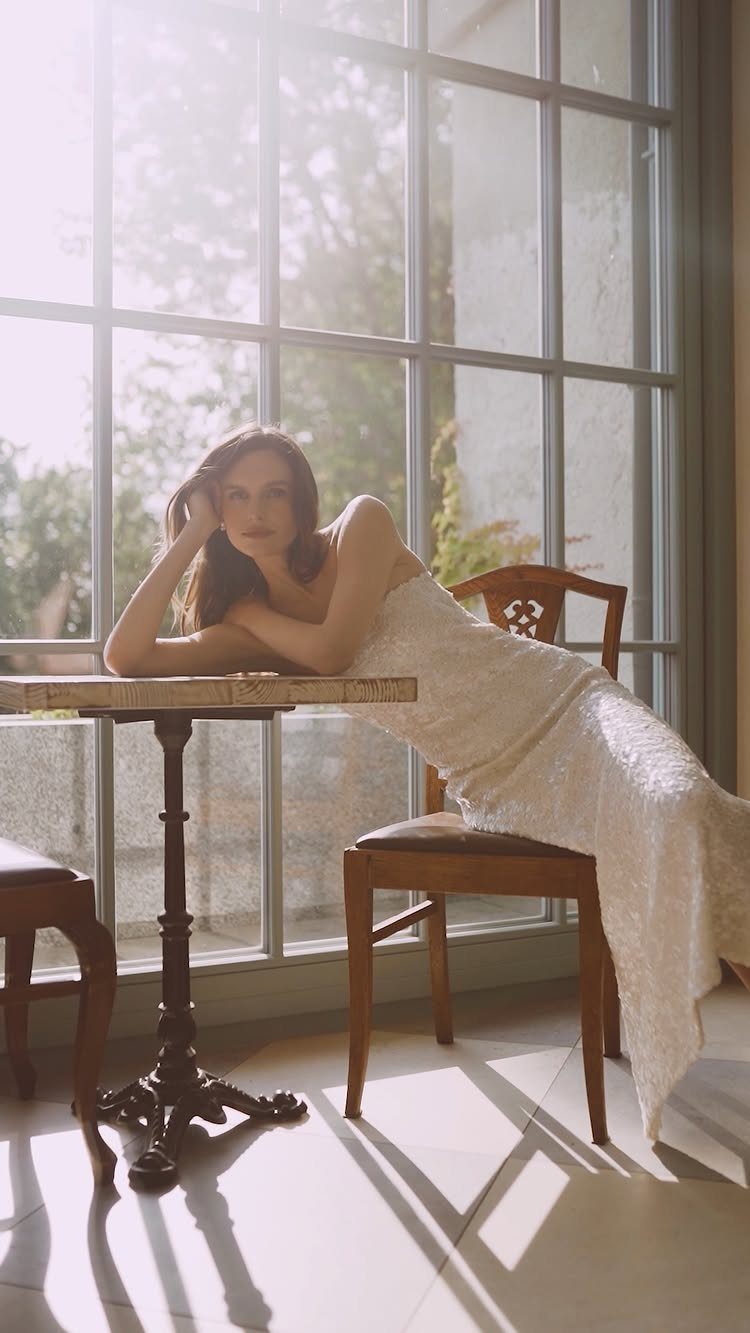
Strapless lace is the classic choice, and a long gown suits a courthouse better than people expect. Against plain walls, the lace texture does all the visual work, so you need no extra decoration.
My advice is to keep everything else quiet: simple hair, minimal jewelry, a modest bouquet. A strapless neckline also leaves room for a necklace or a wrap if the room turns cold.
6. Tailored Sets
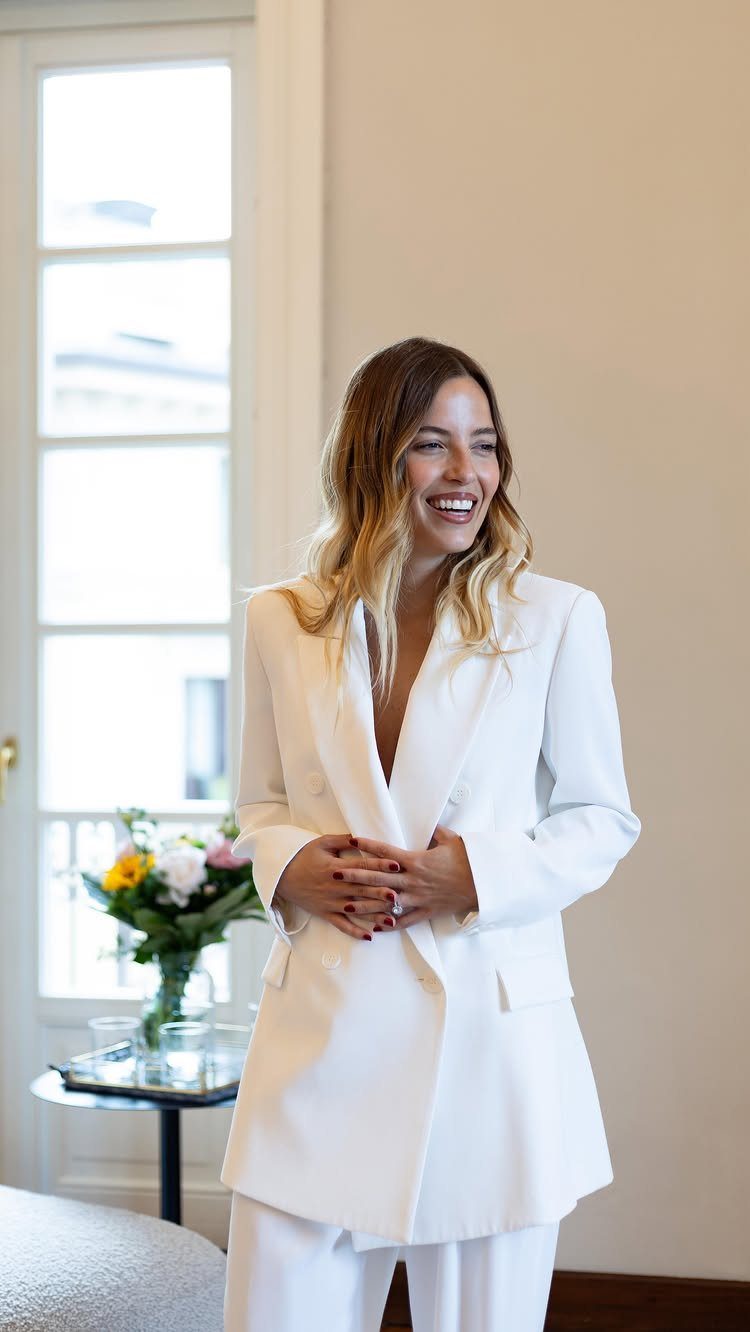
A white blazer with matching trousers is the sharpest option for a civil ceremony, and the one I would pick for a bride who wants to look polished without feeling costumed.
Because it is a set, it also looks deliberate, not like 2 pieces thrown together.
Tailoring is what makes it work. Have the trouser hem and blazer sleeves adjusted to fit you, and wear the shoes you will be married in when you do.
7. A Simple Silk Slip Dress
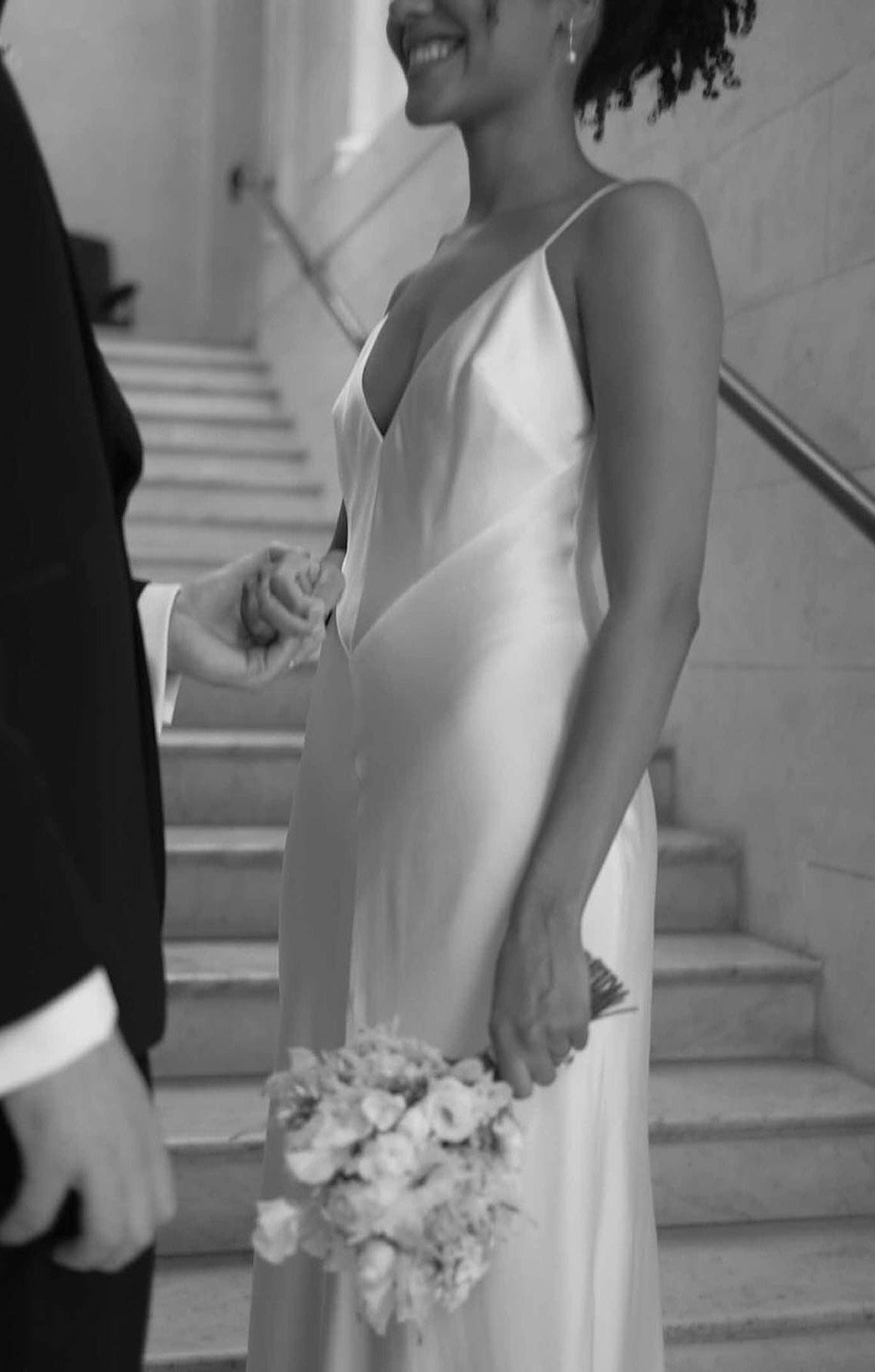
A silk slip dress is the quietest choice on this list, and that is why it lasts. It has no train, no lace and no beading, so nothing about it dates the day.
Silk drapes close to the body, so fit matters more than trim.
I would buy one that suits you well enough to wear again to a dinner or a party, with a small bouquet as the only bridal touch. That second wear is where the money pays you back.
8. A Statement Jacket or Peacoat
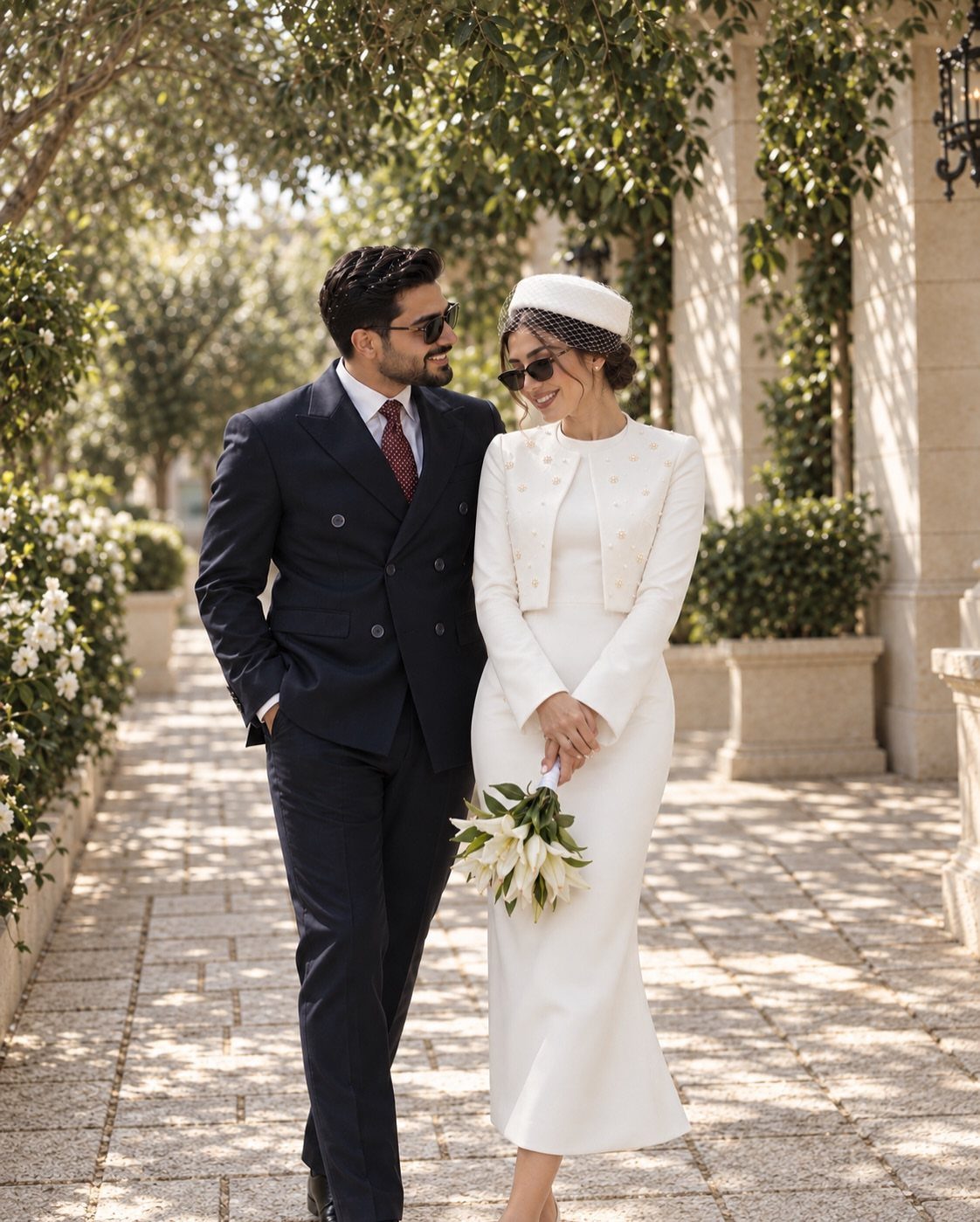
A structured white jacket over a simple midi dress gives a plain outfit a second layer of purpose. The dress stays easy, and the jacket supplies the shape and the formality.
I like this for a bride who wants the dress to stay modest and the outfit to feel finished.
Try the jacket over the dress at your fitting, not separately, so the shoulders and sleeves sit cleanly. A pillbox hat is an optional extra if you want a vintage note.
9. Cropped Jacket and Matching Skirt
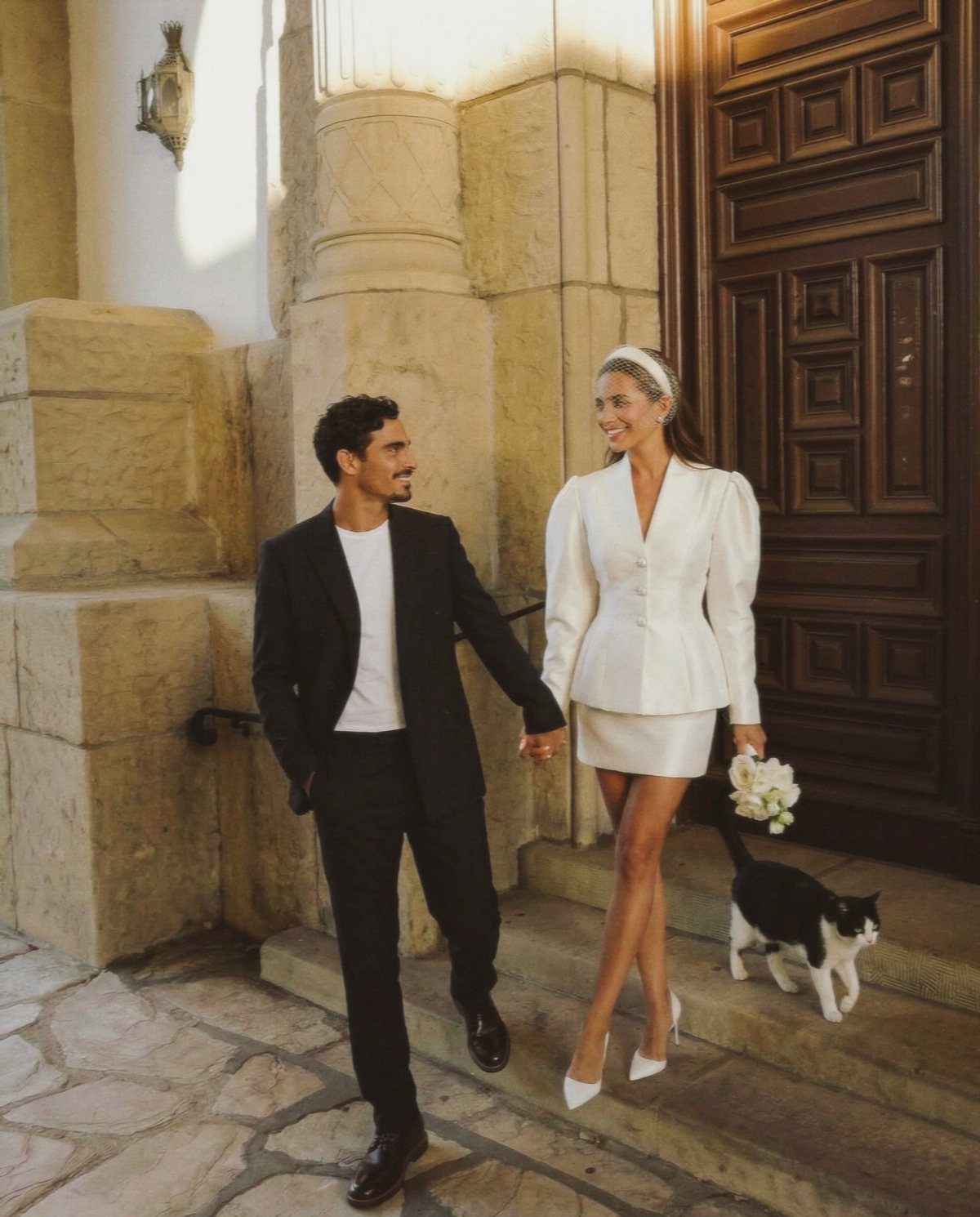
A cropped jacket with a matching skirt is a two-piece look that reads as a single outfit. Keeping both pieces in the same white is what makes it look planned, not assembled.
Where it differs from a dress is that you can wear the pieces apart later.
Check that the jacket’s hem meets the skirt’s waistband without a gap when you raise your arms. I would also hold a plain pair of shoes and no heavy jewelry, since the cut already does the talking.
Choosing the Right Dress
Start with the building. City hall ceremonies are short and often held in plain rooms, so the dress has to work in a hallway, a waiting line and a few photos on the front steps.
Check the weather for your date, then pick the fabric to match.
Chiffon, tulle and satin all weigh very little, so a short courthouse ceremony and the walk to the car afterward won’t leave you overheated or fighting yards of fabric.
Classic shapes with one modern detail, such as cap sleeves, delicate beading or lace appliques, look timeless and stay easy to wear.
Length is your call, short or long, and either can make a big impact. Choose the one that fits how you actually dress.
In any scenario, there’s a certain romantic appeal to the civil ceremony, something intimate and sacred… whether you’re skipping the months of planning and slipping out midweek to make things official or turning the legal act into something of a chicer affair.
— Vogue
Accessorizing Your Look
Keep accessories to one or two pieces. Keep the extras small: a short veil or a pair of thin drop earrings completes a civil ceremony look, and neither one pulls attention from the dress.
If your dress already has lace or beading, choose the quieter option and skip the rest. A busy dress paired with a busy veil looks crowded in a small room.
Shoes should be comfortable first; a block heel, a low pump or a clean flat in ivory or nude will still look right in photos years from now.
You will stand, walk and pose in them, so break them in before the day.
Try everything together once, in the mirror, before you commit. If something draws your eye away from your face, take it off.
Comfort and Fit
Fit decides whether you enjoy the ceremony. Light fabrics like chiffon, tulle and satin keep you cool, but they only help if the dress is cut well for your body.
If you like a sharp, tailored look, choose a dress with a well-defined neckline and a silhouette that follows your body closely. Structured pieces tend to look polished with little styling.
Prices vary widely.
A Self-Portrait cream off-shoulder bouclé midi runs $615, and an A.L.C. pleated blazer dress is $595. An Emilia Wickstead off-shoulder crêpe maxi was marked down from $2,836 to $1,701.
Move in whatever you choose: raise your arms, sit, and climb a few steps before you buy.
Frequently Asked Questions
What is a civil wedding?
Civil weddings are secular: a judge, clerk or other official marries you at a courthouse, city hall or similar public building, with no religious element.
Vows and rings are optional extras in many places, but the legal core is the same everywhere: you and your witnesses sign the license while the officiant looks on.
Because the rooms are often plain and the ceremony short, the dress needs to work in hallways and on front steps.
Is a courthouse wedding a real wedding?
Yes, a courthouse wedding is a legitimate legal marriage.
The vows, rings and signed license make it as binding as any larger ceremony. Dressing for it is up to you, and a short dress, a tailored set or a full gown can all work.
Which type of dress is trending now for a wedding?
Modern silhouettes and simple, elegant designs are the current direction. Some brides go bolder with feathers, large appliqués or a color other than white, so choose what fits how you dress.
What is a good formal dress for a woman to wear to a wedding?
A midi or maxi dress in a light fabric like chiffon or satin is a safe formal choice.
A clean, classic cut with one modern touch, like cap sleeves, light beading or lace appliqués, reads as formal without feeling dated.
Before you buy, test the dress: lift your arms, sit down and take a flight of stairs, and keep shoes comfortable and jewelry to a piece or two.





