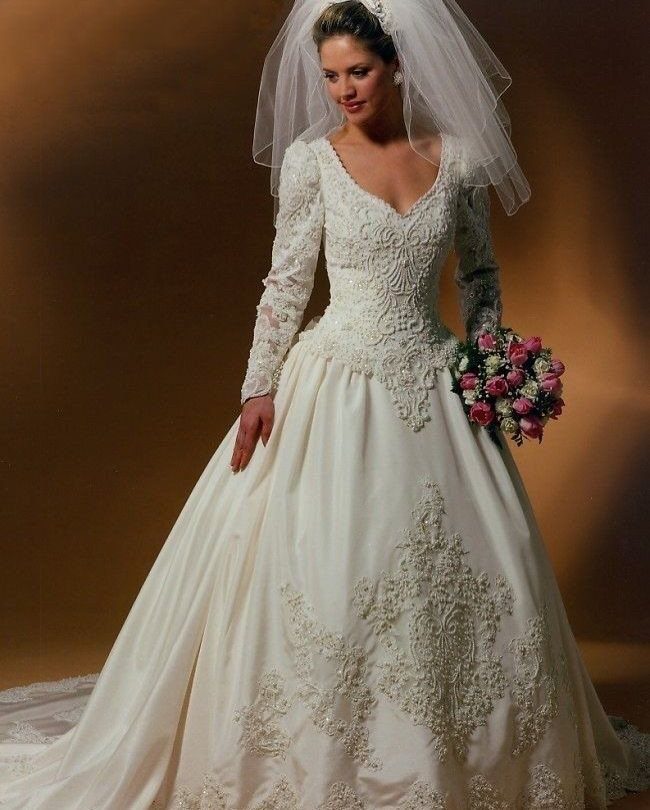
Early-2000s dresses run from a mini silhouette to a strapless gown with an embellished bodice, and the price follows the satin and the beadwork more than the era.
Where you want the money to show decides the pick: a halter neckline or smooth satin saves on embellishment but demands a precise fit, while an embellished bodice keeps the sparkle in one place so the total stays down.
Strapless gowns and corset-style dresses also add fitting costs, since boning and a snug bodice both need alterations.
1. Halter Necklines
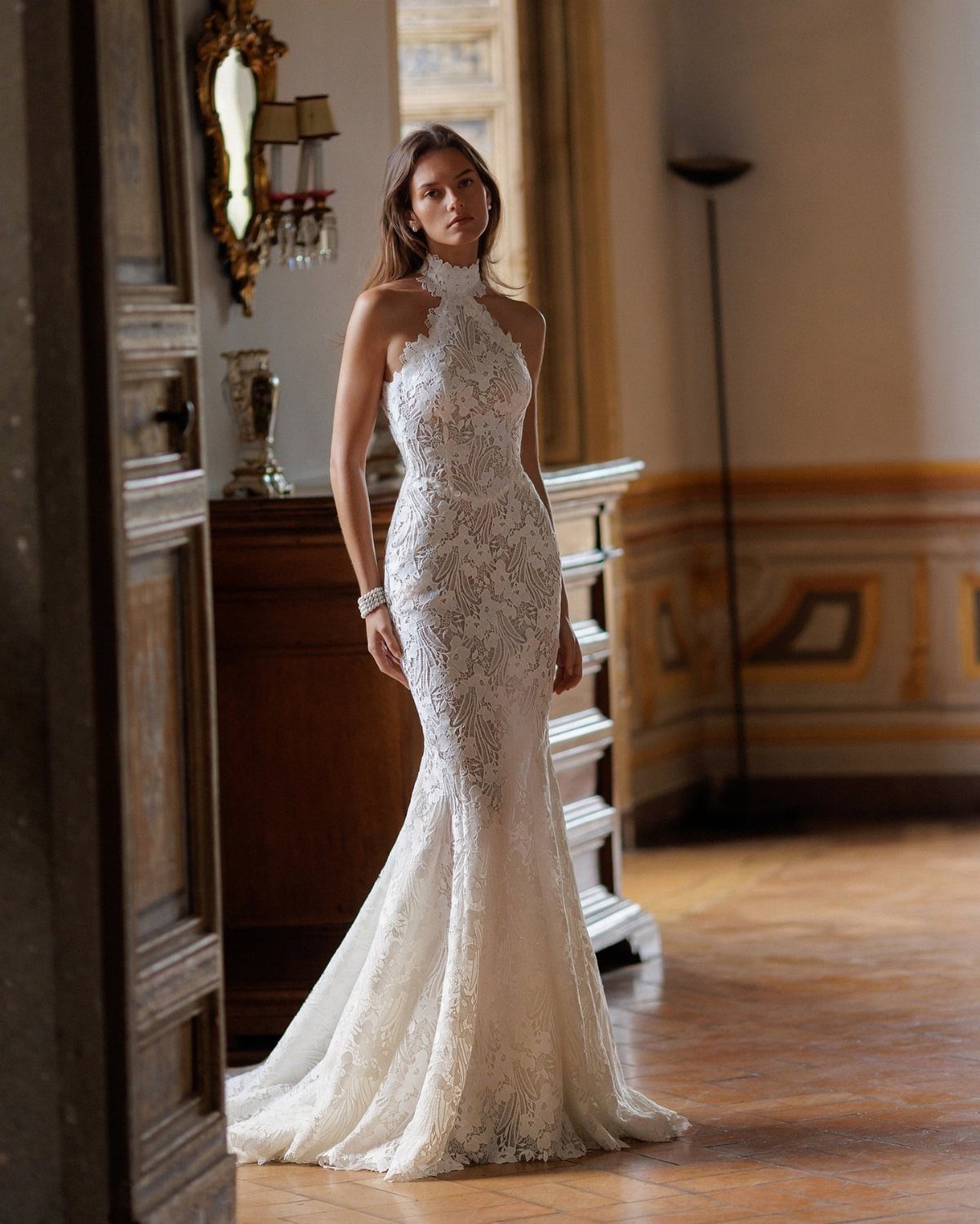
A high halter neck puts the structure at the collarbone and leaves the shoulders bare, which is why it looked so crisp on an early-2000s bride.
Lace on a halter neckline softens the strap line without losing the clean shape, and a scalloped edge along the neck keeps it from looking stiff.
For a budget search, a halter is a neckline you can often find on a simple dress, so you pay for the cut rather than extra beading.
Try it on with your hair up, since the neckline is half the look.
2. Corset-Style Dresses
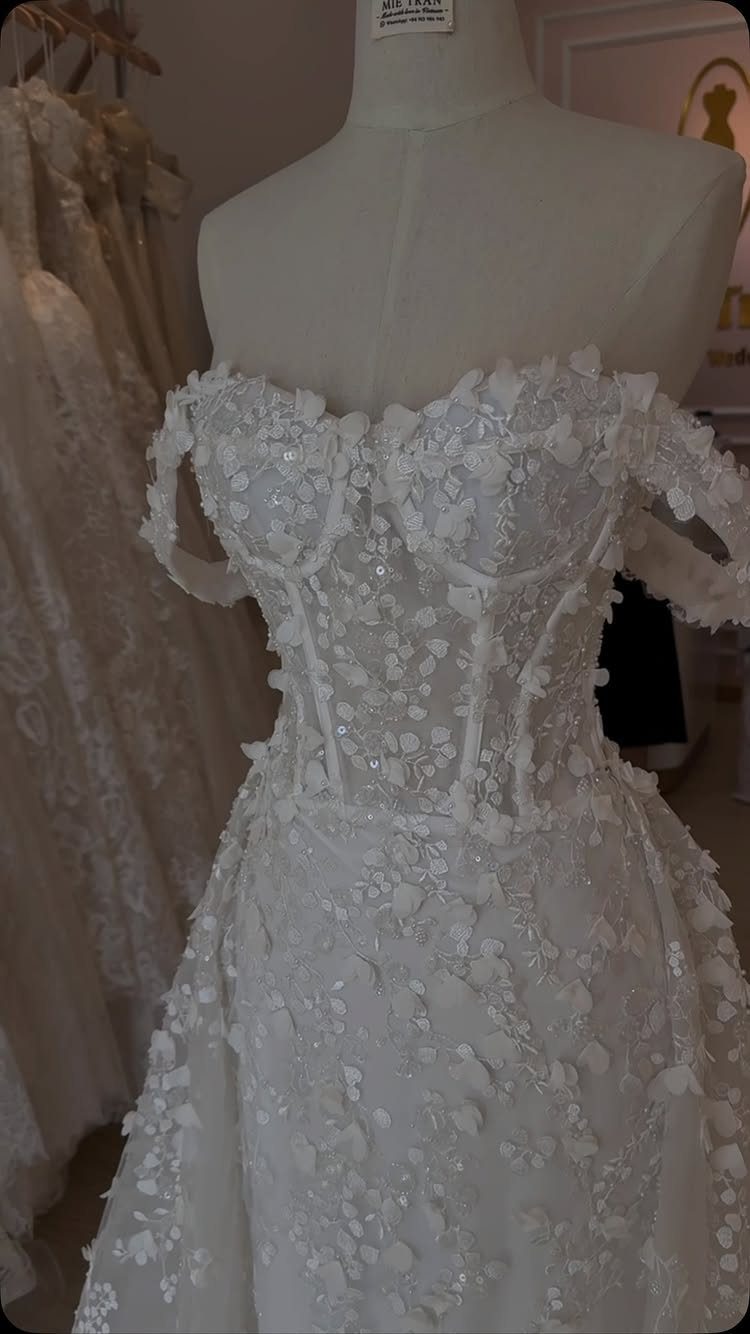
A sculpted corset bodice does the work a slip of fabric can’t: it shapes the torso and holds it there.
The maker of this dress says it pairs 3D floral lace with that sculpted corset, and I like how the florals add texture to a very structured top.
Ask about lace-up backs versus zip closures, since a lace-up can be adjusted if your size shifts before the wedding. Plan on a fitting or two to get the boning to sit right.
3. Tiered Skirts and Ruffles
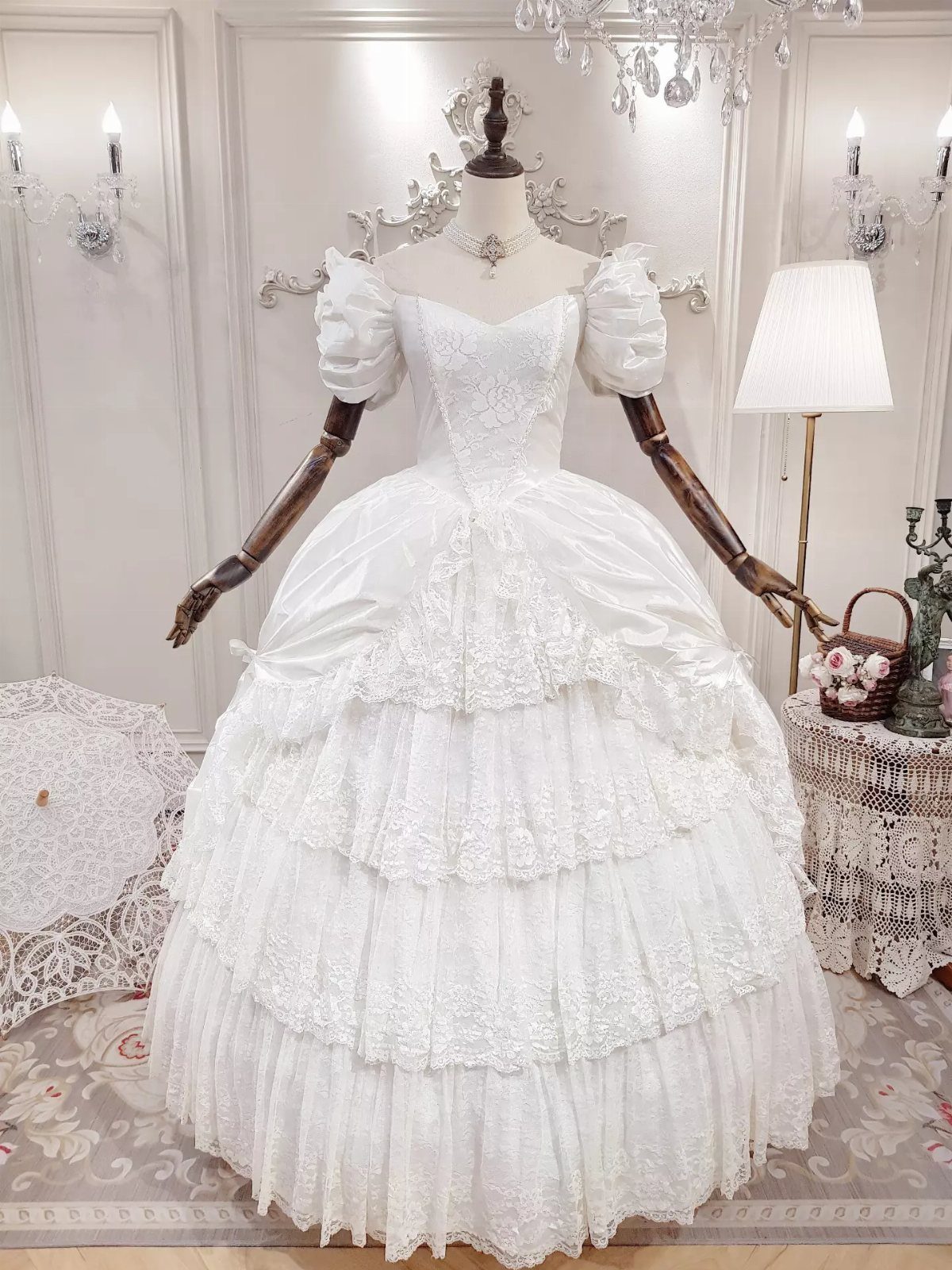
Tiers and ruffles give a skirt movement, and puff sleeves push the same idea up top. A lace tiered skirt reads as lighter than it looks, so it suits a bride who wants volume without a stiff ballgown.
I would keep the rest of the dress plain here. Ruffles already carry the detail, and a bare neckline or simple veil lets them stand out.
4. Celebrity Wedding Dresses
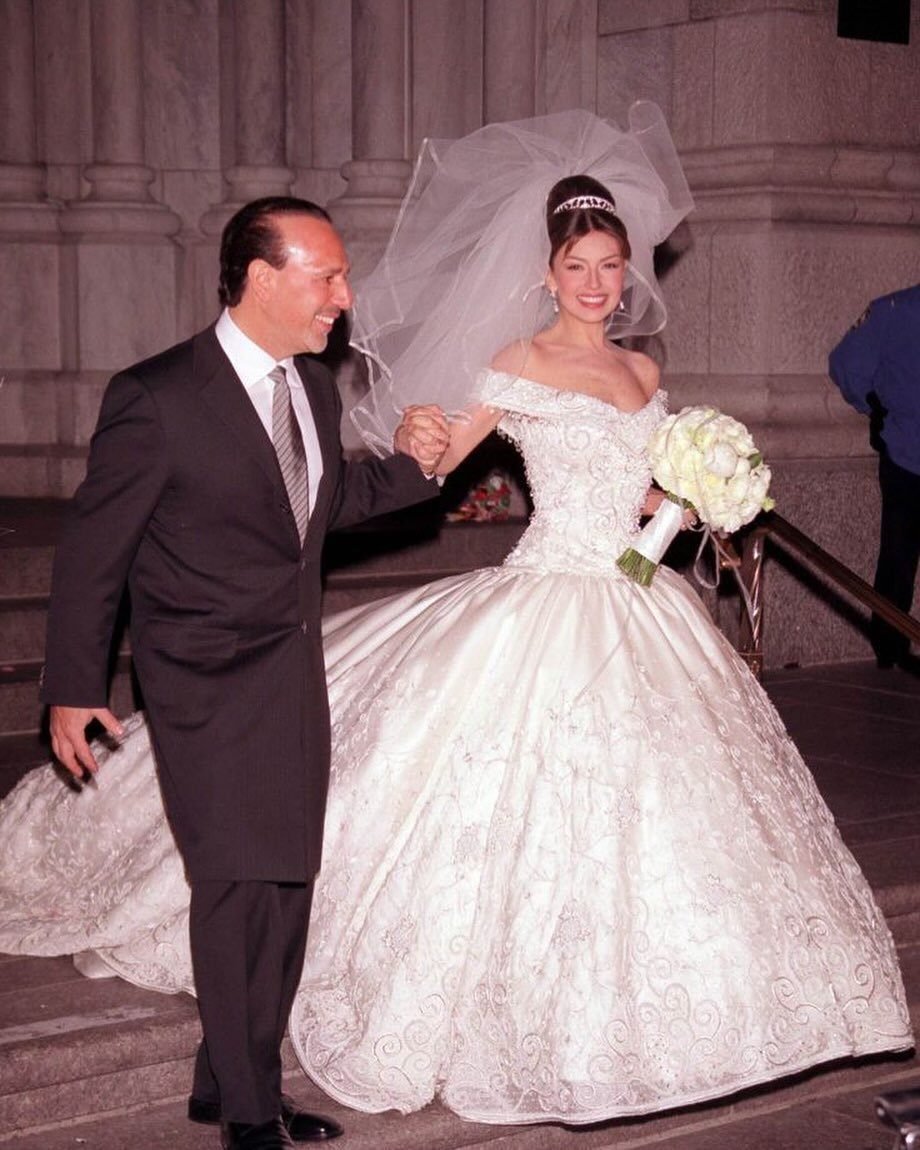
Copying a celebrity gown works best when you copy the shape, not the price tag.
A voluminous ballgown with embroidery is the piece worth borrowing from a celebrity look, because the full skirt does the work and the embroidery adds detail without a designer price.
Bring a photo to a consultant and ask for a similar silhouette in a simpler fabric. Skip the exact replica; lookalike versions cost far less and fit your body better.
5. Strapless Gowns
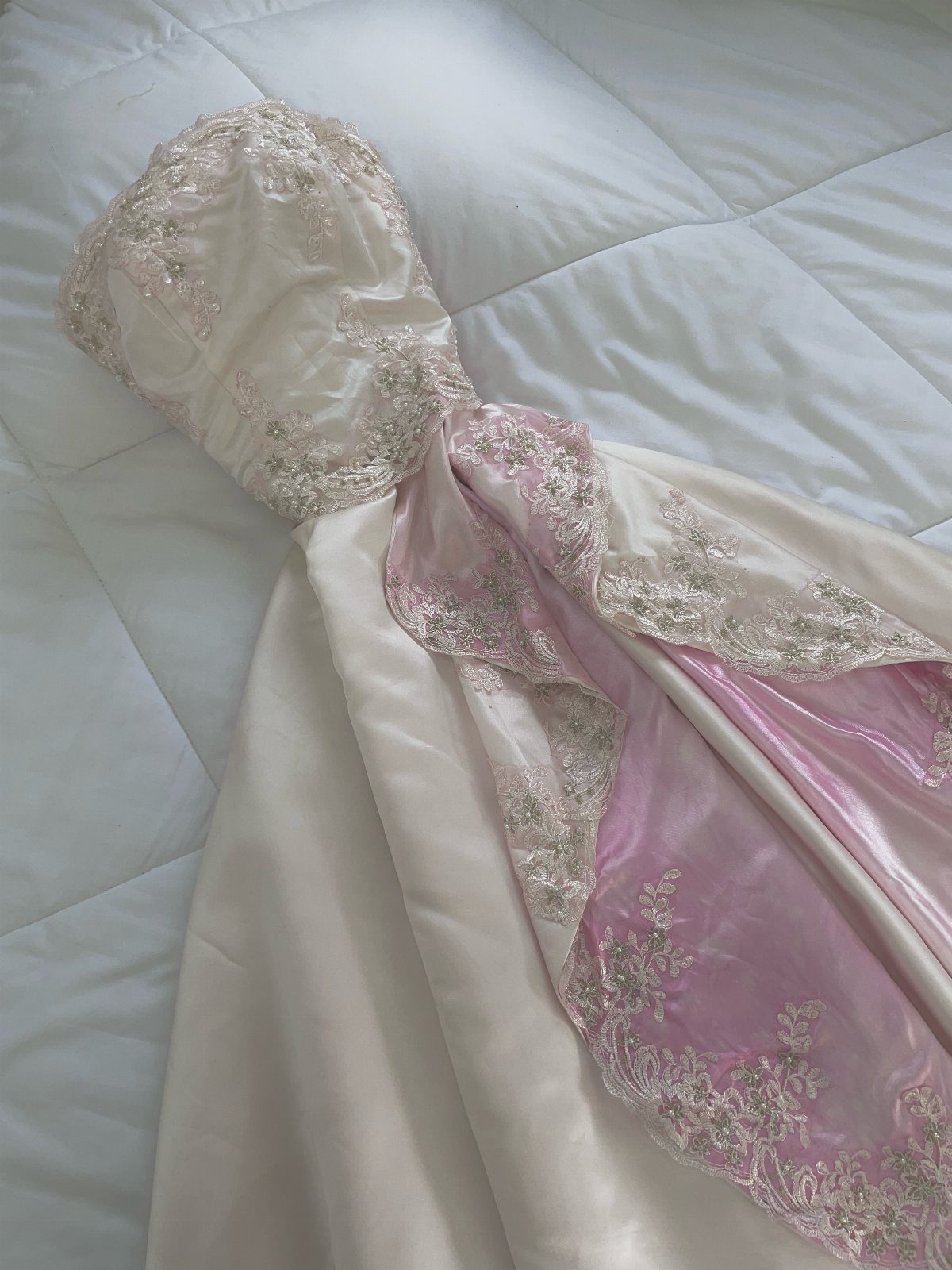
Straight across or sweetheart, a strapless neckline was the default shape of the era, and it still works as a blank canvas.
An embellished bodice over a pink satin underskirt gives a strapless gown a hint of color, and it is a cheap way to add personality, since a tinted underlayer costs far less than dyeing the whole dress.
Strapless dresses need a snug bodice so they stay put, so budget for alterations. If you want the look but feel nervous about slipping, ask about added straps or a sleeve.
6. Smooth Satin Wedding Dresses
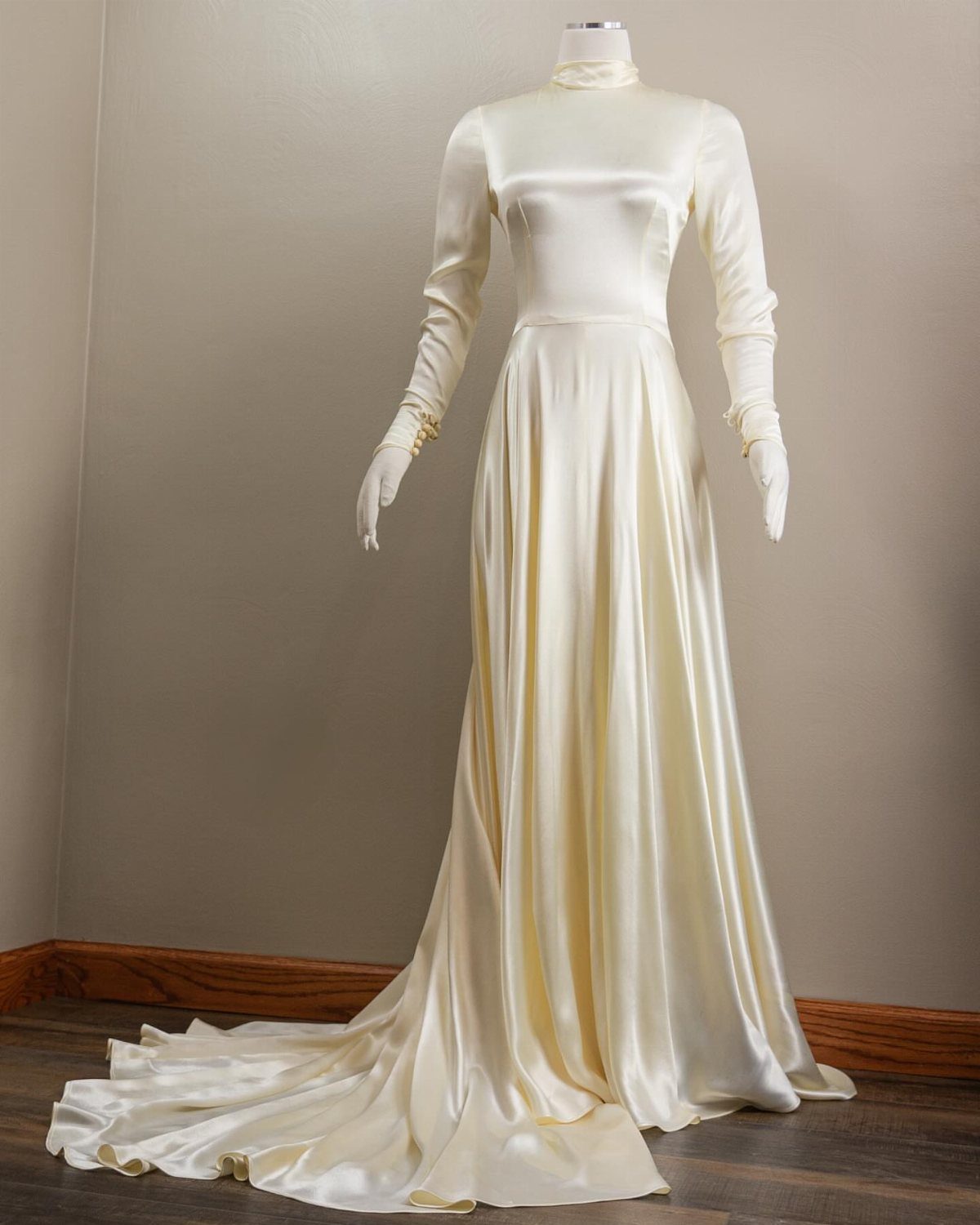
Smooth satin gives a clean, glossy line, and this cream gown pairs it with long sleeves and a high neck for a look that is sleek but covered.
With no beading to hide behind, satin shows every seam, so fit matters more than anything.
I would choose this for a minimalist wedding where the cut does the talking. Expect to press or steam it before the day.
7. Embellished Bodices
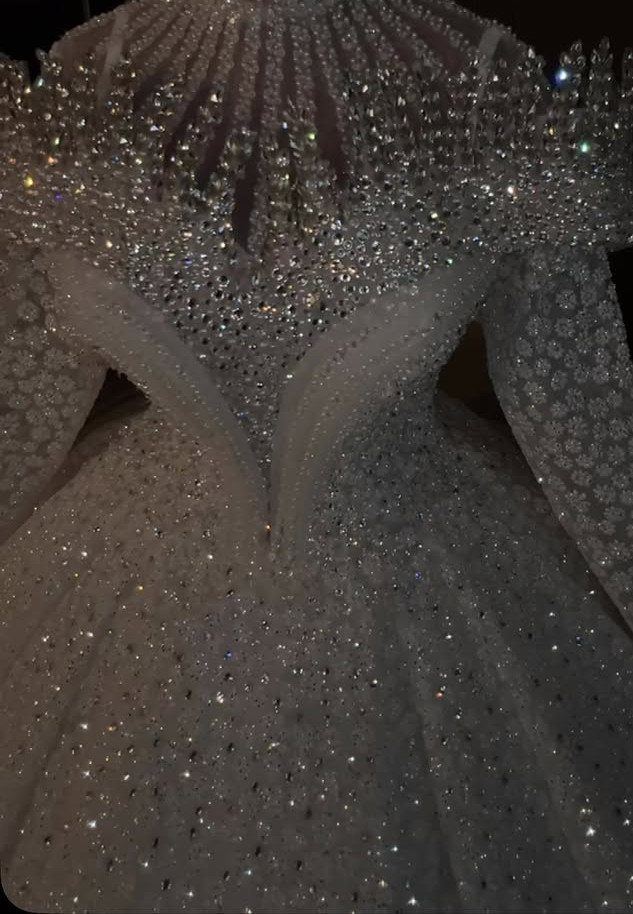
Crystals and beads packed across a structured bodice with a pointed neckline make the top half of the dress the whole show. When the bodice and skirt both carry the sparkle, the gown reads as full glamour.
On a budget, I would put the sparkle on the bodice alone and keep the skirt smooth. Beadwork is where a price climbs, so a plainer skirt keeps the total in check.
Bring a few samples to natural light before you decide, since crystals look different indoors than outside. Keep jewelry minimal; the dress already has plenty to say.
8. Mini and Playful Silhouettes
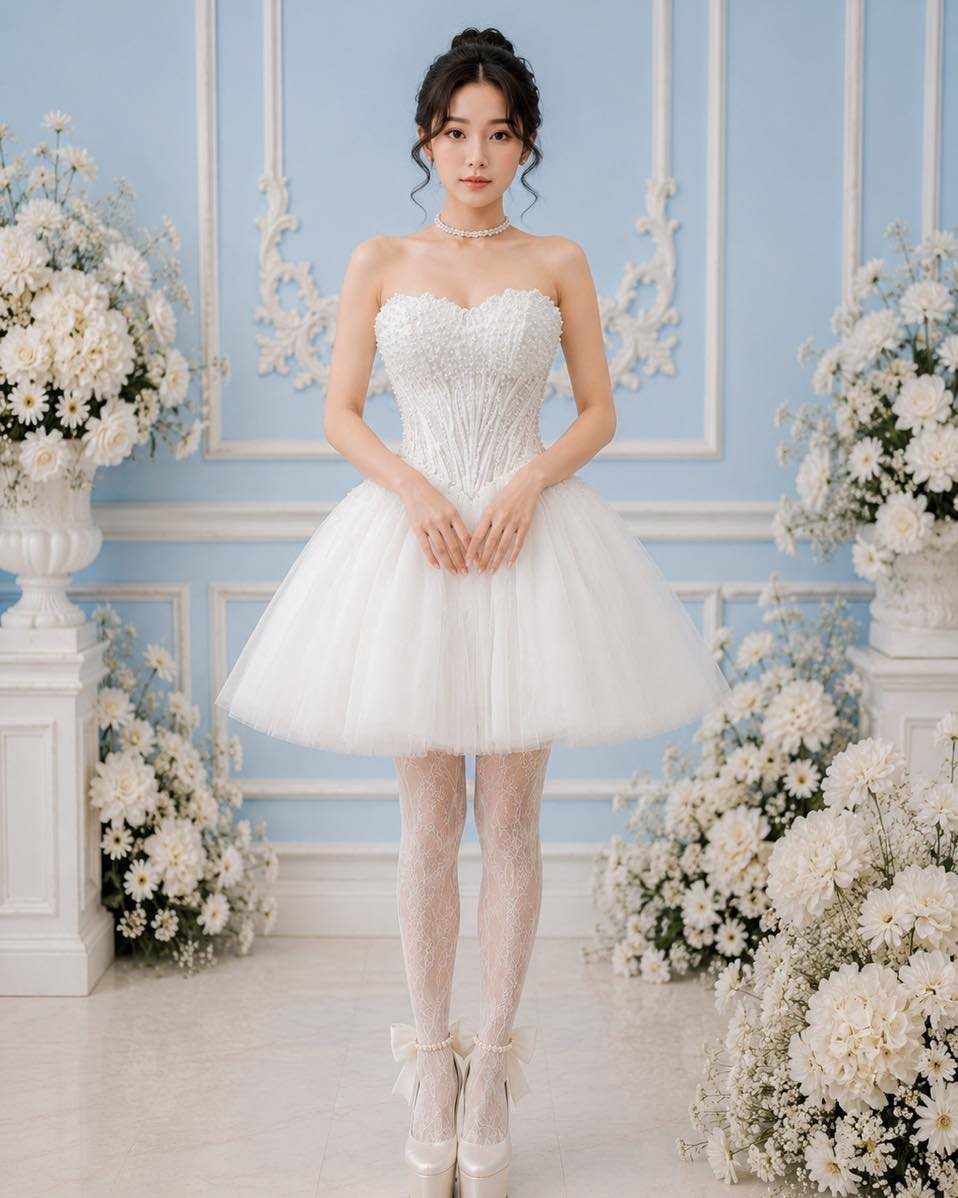
A short, strapless dress with a full tulle skirt turns the wedding dress into something you can actually dance in. Lace tights add a playful layer, and I like that they bring texture without adding a single inch of fabric.
For a small budget, a short hem means less fabric, which can mean a lower price than a floor-length gown. Check the tulle for scratchiness before you buy.
Strapless means a snug bodice, so plan on an alteration. Pick this for a casual ceremony, a courthouse wedding, or a reception outfit.
Frequently Asked Questions
Is 2000 a good budget for a wedding dress?
It can be, if you spend it on the cut and not on beading.
Simple silhouettes like a halter neckline, a smooth satin gown or a short dress with a tulle skirt keep the price down, and beadwork is where totals climb.
Save part of the budget for alterations, since strapless bodices and corset-style tops need a fitting or two to sit right.
Is a 20 year old wedding dress considered vintage?
A dress from the early 2000s is usually called vintage-inspired or Y2K style, and bridal brands are now selling that look as a trend.
Dresses from around 2000 ran from bias-cut slip gowns and short party minis to full tulle ballgowns and skirt-and-bodice sets.
A bridal consultant can pull a modern version of the same shape in a plainer fabric, which gets you the look without a long search for an original.
What were the major wedding trends in the 2000s?
Strapless gowns, satin fabrics and celebrity influence defined the decade.
Dresses came out sleeker than in the 1990s, with many brides choosing ruched, strapless styles, long veils and hair accessories. Lighter shades such as pale pink and pale blue also gained ground, along with form-fitting cuts.
What were some popular dresses in the 2000s?
Strapless gowns with a straight or sweetheart neckline were the default shape.
Halter necks, corset-style bodices, smooth satin and full embroidered ballgowns copied from celebrity looks were also common. Brides also borrowed from earlier decades, from 1960s minis to 1950s tea-length dresses.





